Bulletin of Botanical Research ›› 2026, Vol. 46 ›› Issue (2): 246-258.doi: 10.7525/j.issn.1673-5102.2026.02.005
• Original Paper • Previous Articles Next Articles
Lipeng ZHANG1( ), Mei WU2, Hongpeng WANG2, Tianyu LI2
Received:2025-08-27
Online:2026-03-20
Published:2026-04-02
Contact:
Lipeng ZHANG
E-mail:zhanglp@tjcu.edu.cn
CLC Number:
Lipeng ZHANG, Mei WU, Hongpeng WANG, Tianyu LI. Salt Stress-related RcNAC22 Gene Cloning and Function Analysis in Rhodiolacrenulata[J]. Bulletin of Botanical Research, 2026, 46(2): 246-258.
Add to citation manager EndNote|Ris|BibTeX
URL: https://bbr.nefu.edu.cn/EN/10.7525/j.issn.1673-5102.2026.02.005

Fig.1
Structure of RcNAC22 gene

Table 1
Primer sequences used in this study
引物名称 Primer name | 正向引物(5′→3′) Forward primer (5′→3′) | 反向引物(5′→3′) Reverse primer (5′→3′) |
|---|---|---|
| RcNAC22基因全长扩增 | ATGTCGGCTACGAAGTCC | TCAGAGATTAAGCACGTTGAC |
| 植物表达载体构建 | cctaggATGTCGGCTACGAAGTCC | ggtcaccTCAGAGATTAAGCACGTTGAC |
| 酵母表达载体构建 | gaattcATGTCGGCTACGAAGTCC | ggatccTCAGAGATTAAGCACGTTGAC |
| 基因N端序列酵母载体构建 | gaattcATGTCGGCTACGAAGTCC | ggatccTCGCCGCTCTCTGCTCCAAC |
| 基因C端序列酵母载体构建 | gaattcATGTGGATCACGACGACGAAG | ggatccTCAGAGATTAAGCACGTTGAC |
| 大花红景天内参基因 | TACCCTTCATAGCACCCTCAGA | GAATGGCTTTCCGTGTCCC |
| 丹参内参基因 | GGTGCCCTGAGGTCCTGTT | AGGAACCACCGATCCAGACA |
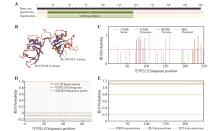
Fig.2
Structural analysis of RcNAC22 proteinA. Structural domain analysis; B. Three-level structure prediction; C. Phosphorylation sites prediction; D. Signal peptide prediction; E. Transmembrane domain prediction.
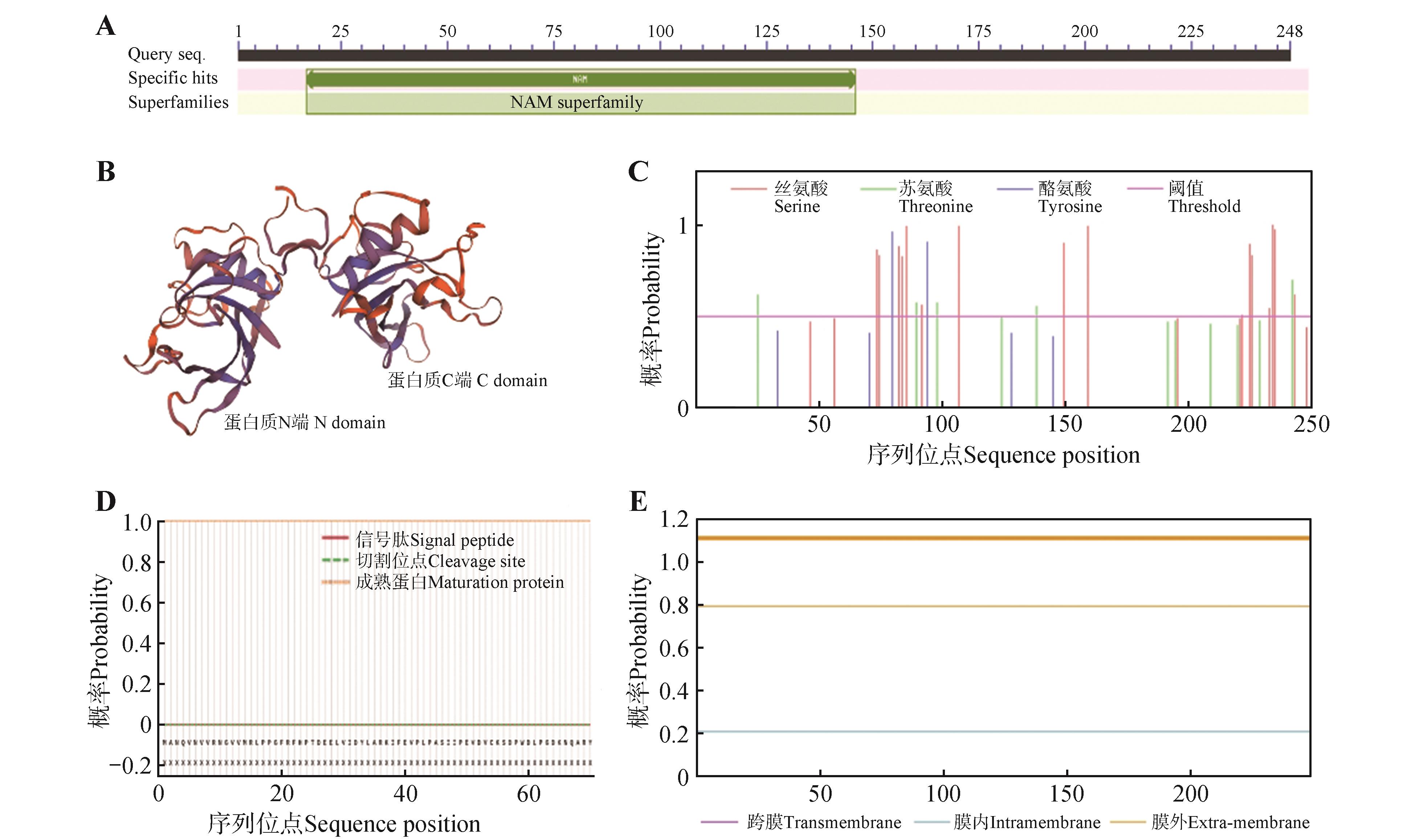
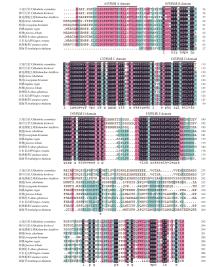
Fig.3
Multisequence alignment of RcNAC22 and NAC from other species
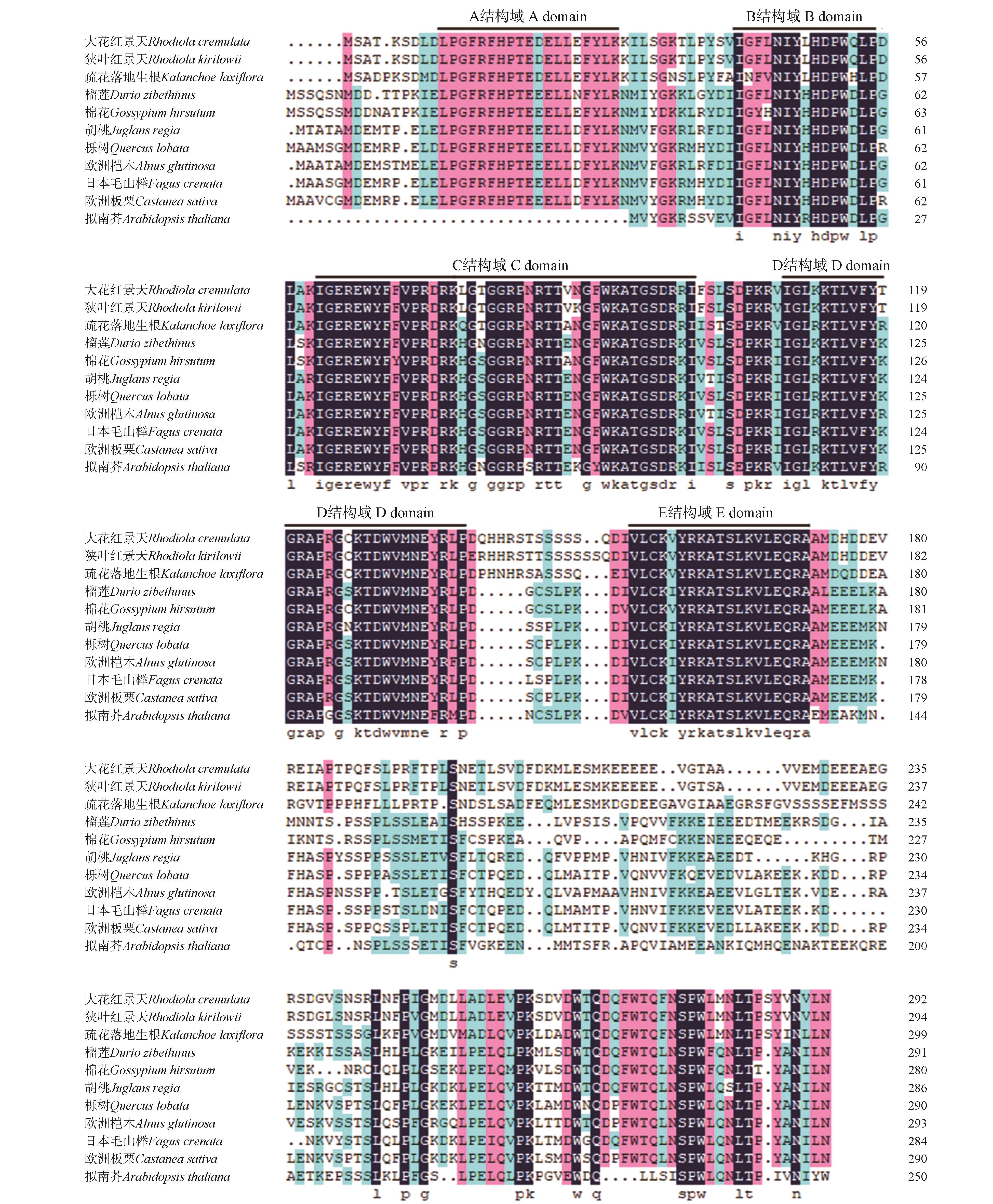
Fig.4
Phylogenetic tree and conserved domain analysis of RcNAC22A. Phylogenetic tree; B. Conserved domain motif; C. The amino acid sequence of the conserved domain.
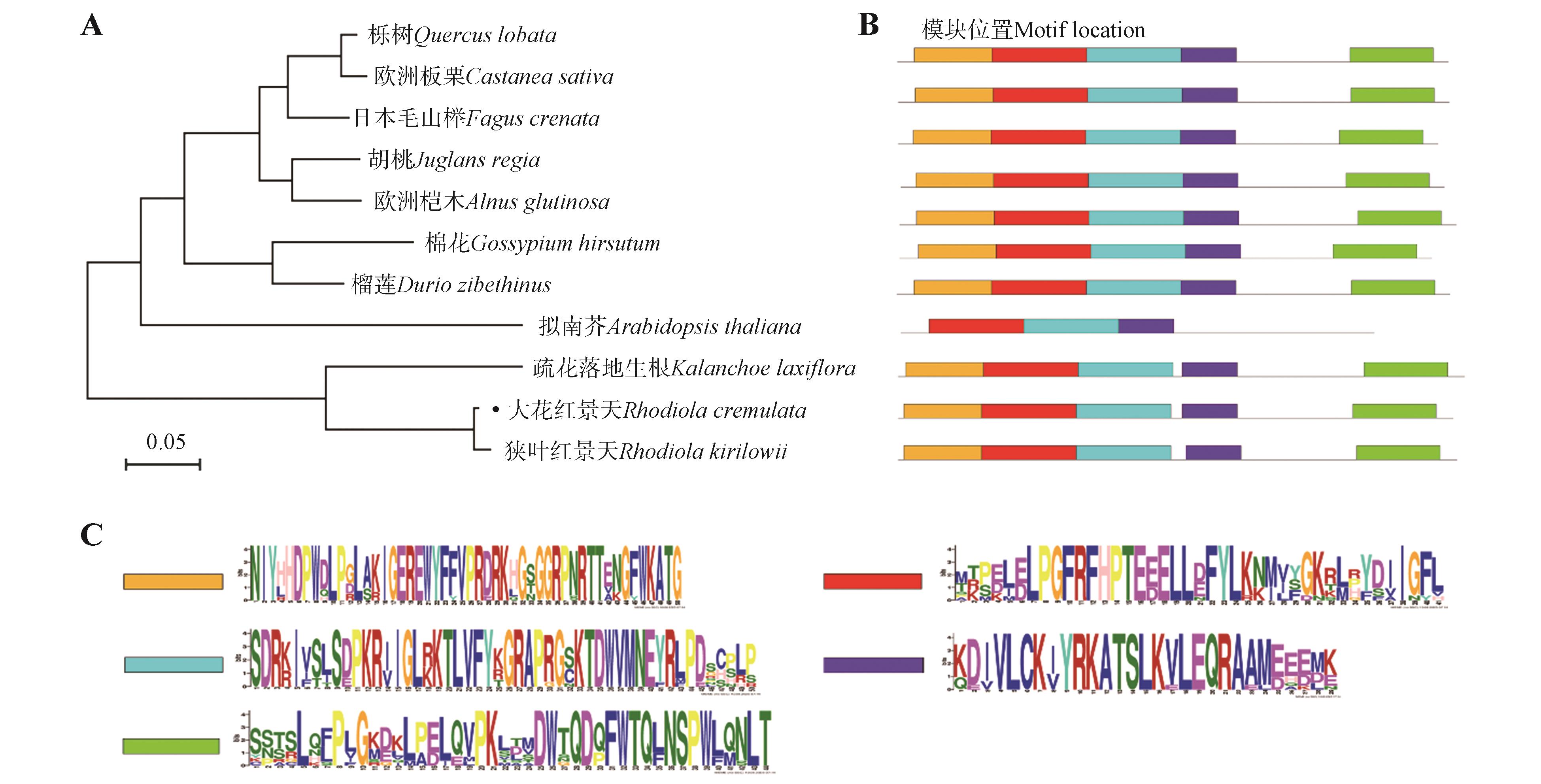
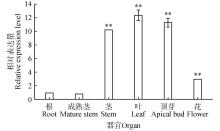
Fig.5
The tissue-specific expression pattern of RcNAC22 geneThe relative expression level in the root was defined as 1; **. Significant difference at P<0.01 level.
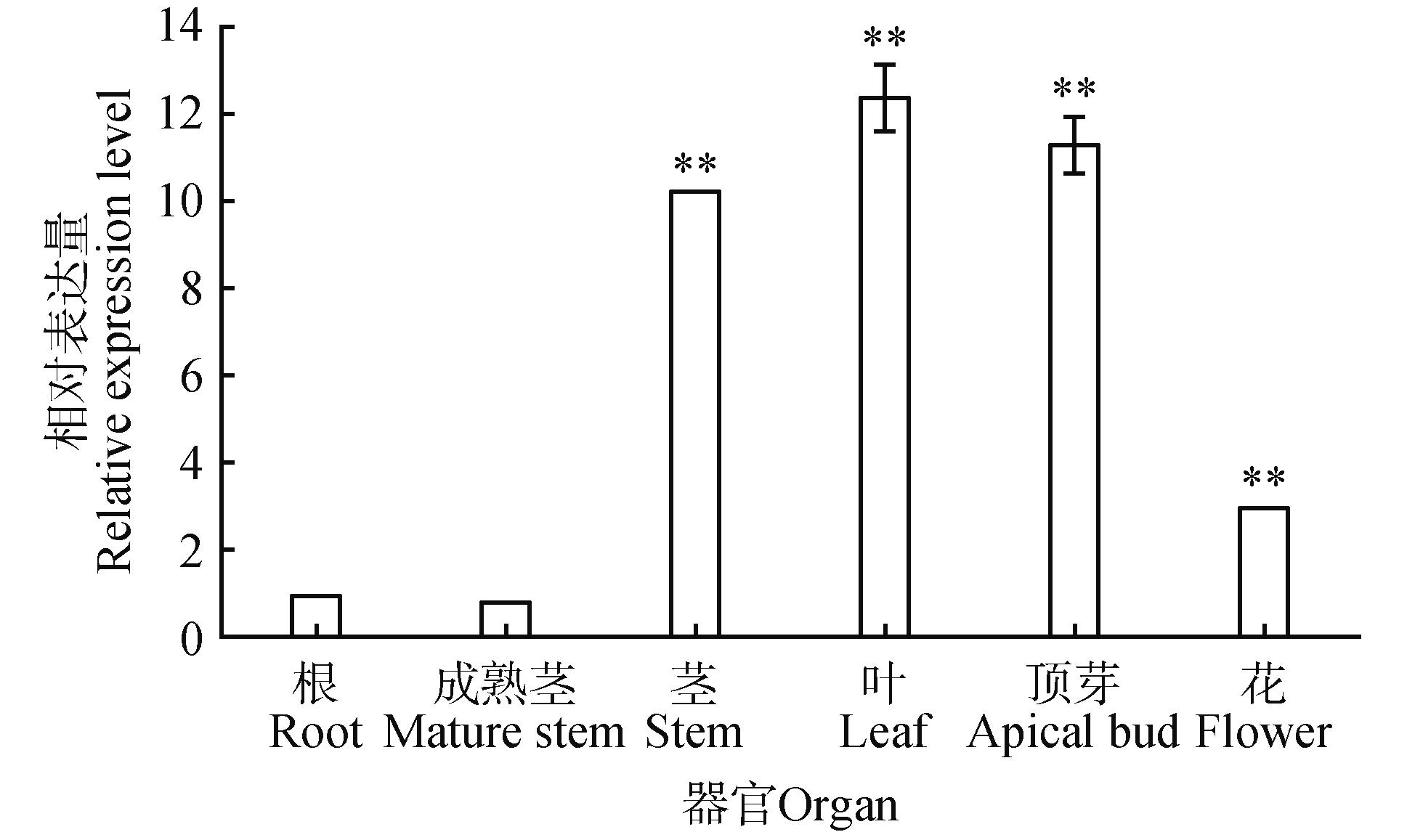
Fig.6
The expression pattern of RcNAC22 gene under abiotic stressesA. Total RNA extracted from leaves of plants treated NaCl stress (100 mmol?L-1 NaCl); B. Total RNA extracted from the roots treated by NaCl stress; C. Leaves by cold stress (0 ℃); D. Leaves by water flooding; E. leaves by UV (234 nm); F. Leaves by drought (20% PEG4000); G. Leaves by ABA (50 μmol?L-1); H. Leaves by SA; I. Leaves by AgNO3. The relative expression level in 0 h/0 d/0 μmol?L-1 was defined as 1; **. Significant difference at P<0.01 level.
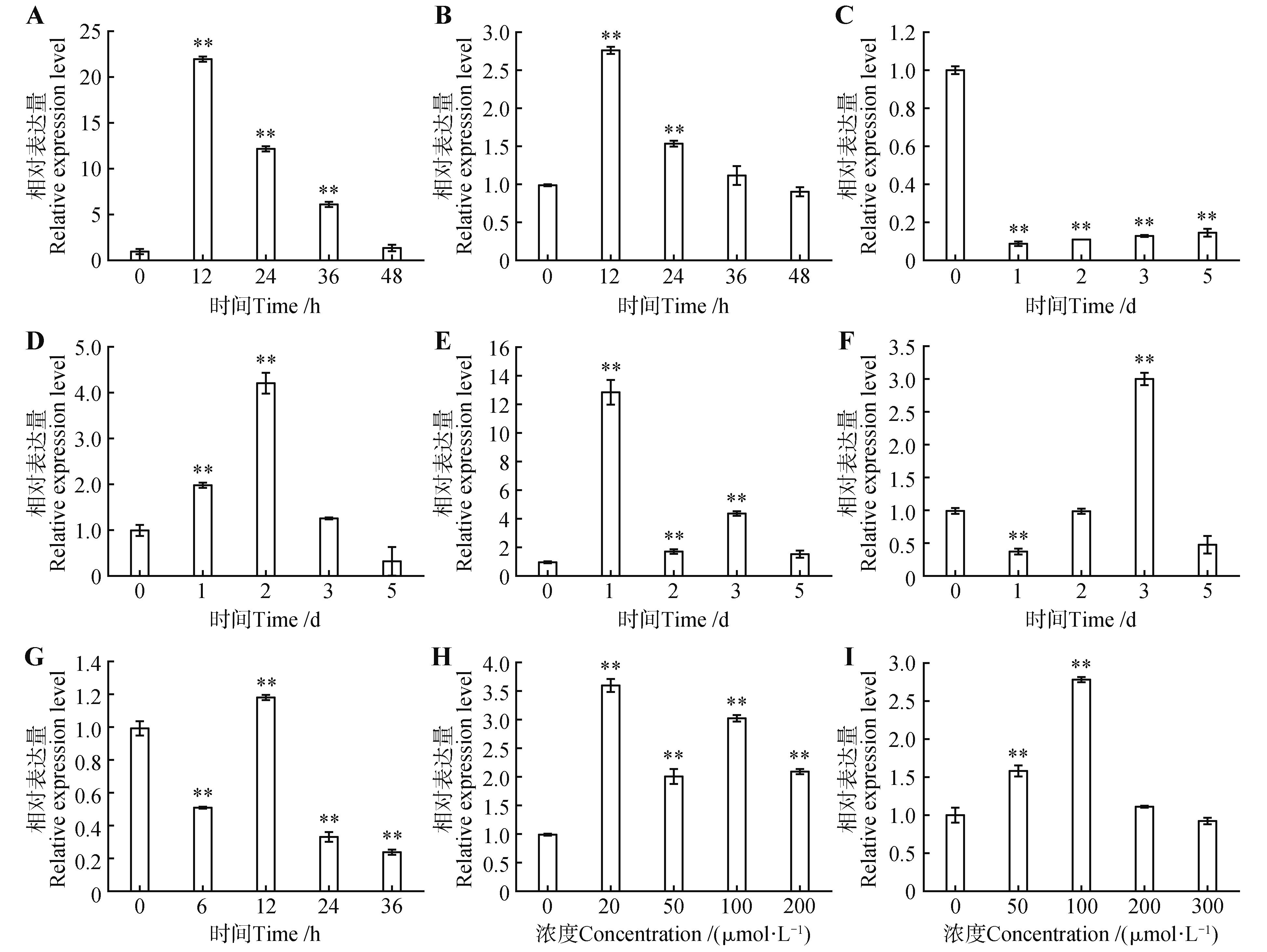
Fig.7
Analysis of cytotoxicity and transcriptional activation function of RcNAC22 proteinA. Module diagram of RcNAC22 protein N and C domain; B. Medium without Trp; C. Medium without Trp and His.
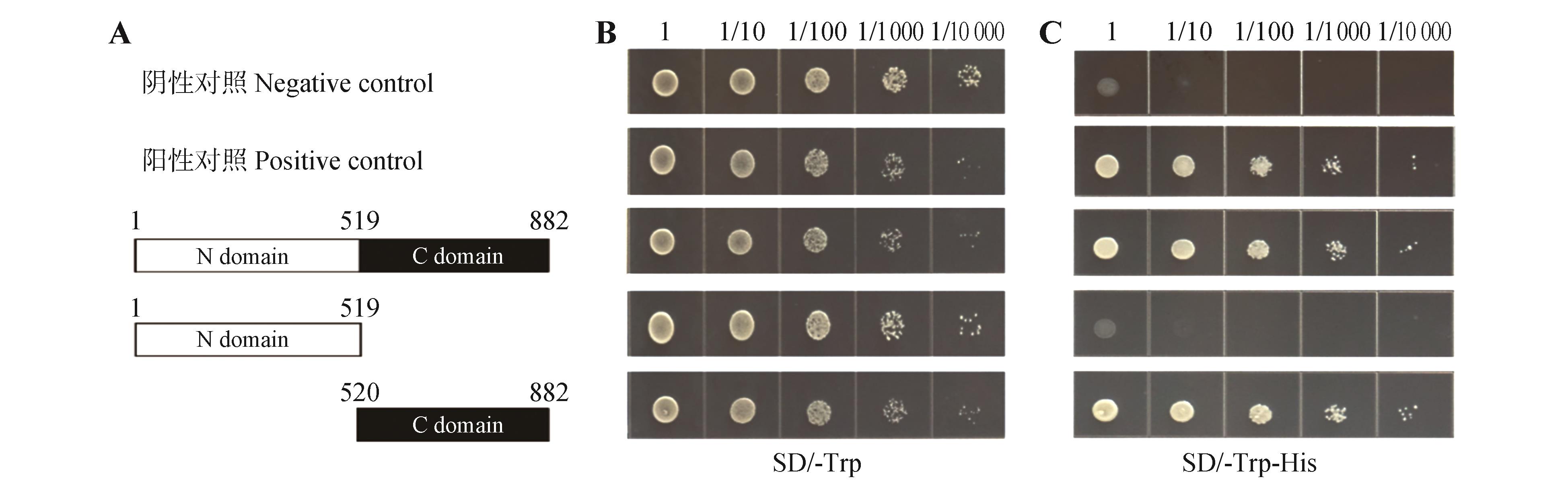
Fig.8
Identification of RcNAC22 overexpressed Salviamiltiorrhiza linesA. Overexpression vector diagrams; B. Expression levels of different lines of RcNAC22 gene; C. RcNAC22 expression levels in different organs of Line7(S1-S7 represent mature roots, young roots, mature stems, young stems, mature leaves, young leaves, and flowers, respectively); D. Growth phenotypes of different lines of Salvia miltiorrhiza under normal condition. WT.Wild type; PC. RcNAC22 recombinant plasmid.
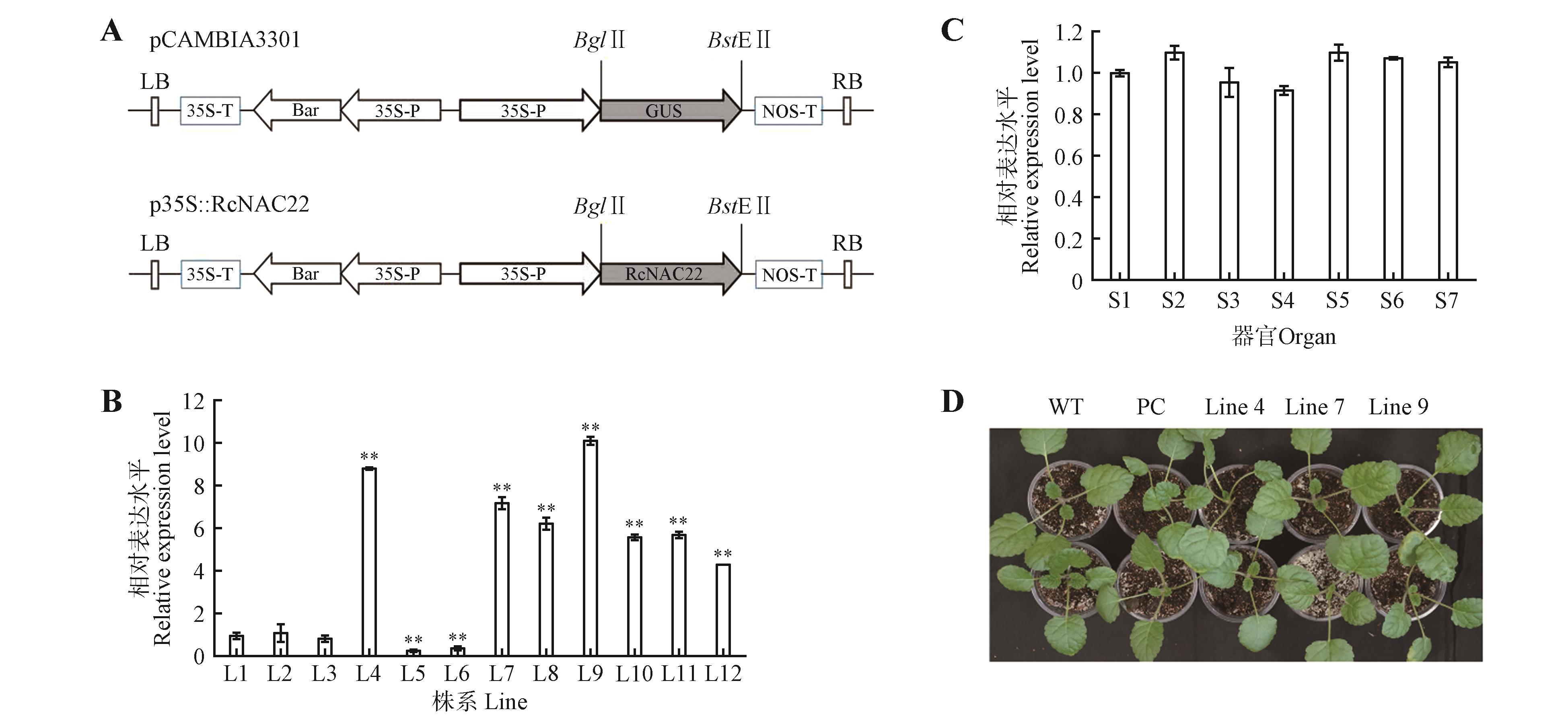
Fig.9
Phenotypes of different lines of Salviamiltiorrhiza under salt stressWT. Wild type; PC. RcNAC22 recombinant plasmid;Line. Transgenic lines.
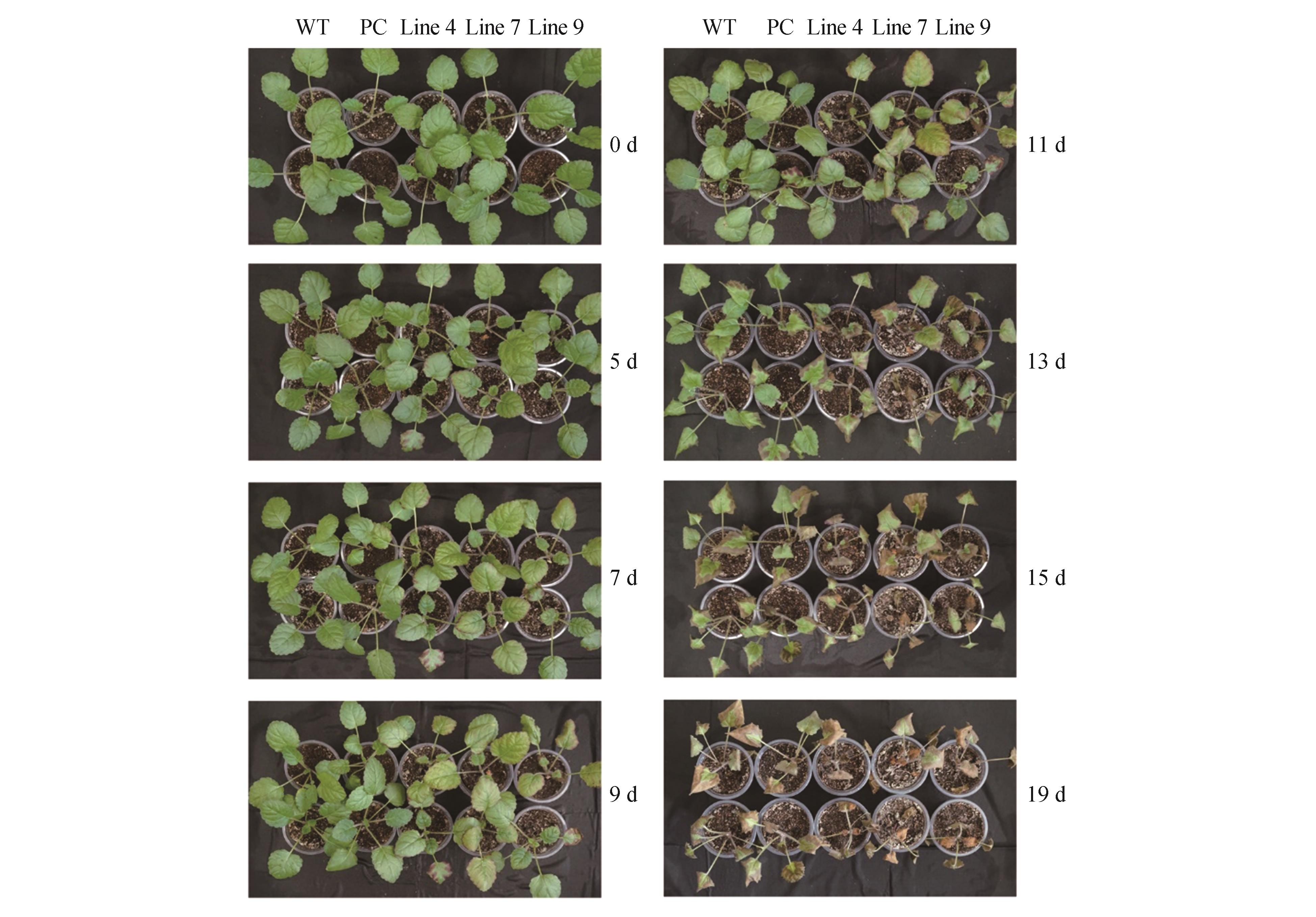
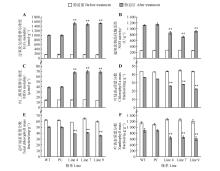
Fig.10
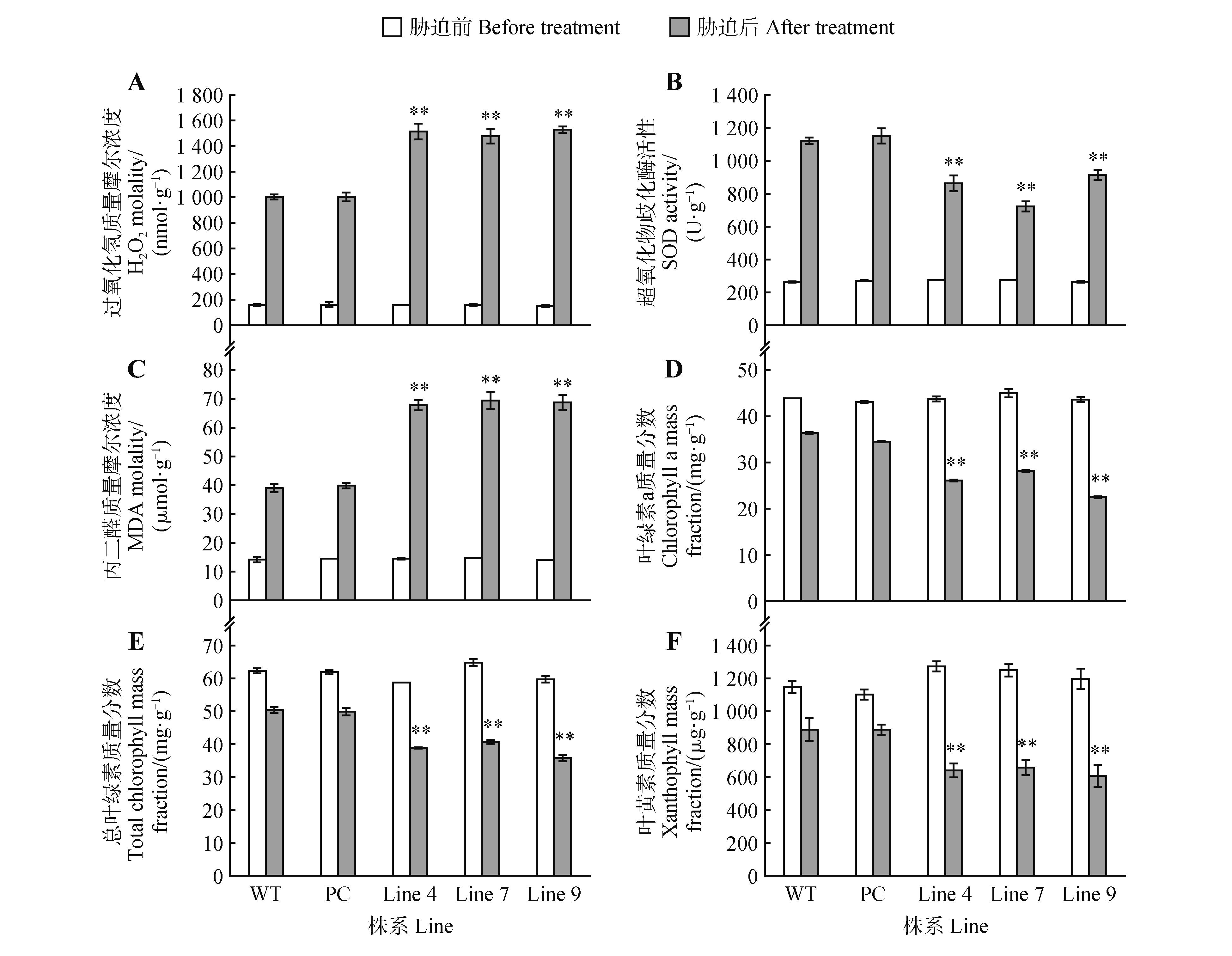
Effects of salt stress on physiological indicators of RcNAC22-overexpressed Salvia miltiorrhiza leavesPhysiological indicators of theleaves of Salvia miltiorrhiza lines treated by salt stress after 13 days, each sample was subjected to three biological replicates; **. Significant difference at P<0.01 level.
| [1] | SOUER E, VAN HOUWELINGEN A, KLOOS D,et al.The no apical meristem gene of Petunia is required for pattern formation in embryos and flowers and is expressed at meristem and primordia boundaries[J].Cell,1996,85(2):159-170. |
| [2] | TANG N, WU P Y, CAO Z Y,et al.A NAC transcription factor ZaNAC93 confers floral initiation,fruit development,and prickle formation in Zanthoxylum armatum [J].Plant Physiology and Biochemistry,2023,201:107813. |
| [3] | PEREIRA-SANTANA A, ALCARAZ L D, CASTAÑO E,et al.Comparative genomics of NAC transcriptional factors in angiosperms:implications for the adaptation and diversification of flowering plants[J].PLoS One,2015,10(11):e0141866. |
| [4] | ZAFAR Z, FATIMA S, BHATTI M F.Comprehensive analyses of NAC transcription factor family in almond (Prunus dulcis) and their differential gene expression during fruit development[J].Plants,2021,10(10):2200. |
| [5] | WANG W Q, WANG J, WU Y Y,et al.Genome-wide analysis of coding and non-coding RNA reveals a conserved miR164-NAC regulatory pathway for fruit ripening[J].New Phytologist,2020,225(4):1618-1634. |
| [6] | LIU W J, MEI Z X, YU L,et al.The ABA-induced NAC transcription factor MdNAC1 interacts with a bZIP-type transcription factor to promote anthocyanin synthesis in red-fleshed apples[J].Horticulture Research,2023,10(5):uhad049. |
| [7] | QIN Y X, ZHANG B, WANG Y N,et al.Characterization of SEC14 family in wheat and the function of TaSEC14-7B in salt stress tolerance[J].Plant Physiology and Biochemistry,2023,202:107926. |
| [8] | ZHANG X M, YU H J, SUN C,et al.Genome-wide characterization and expression profiling of the NAC genes under abiotic stresses in Cucumis sativus [J].Plant Physiology and Biochemistry,2017,113:98-109. |
| [9] | CHEN Y H, HUANG Q H, HUA X,et al.A homolog of AtCBFs,SmDREB A1-4,positively regulates salt stress tolerance in Arabidopsis thaliana and Salix matsudana [J].Plant Physiology and Biochemistry,2023,202:107963. |
| [10] | XI Y, LING Q Q, ZHOU Y,et al.ZmNAC074,a maize stress-responsive NAC transcription factor,confers heat stress tolerance in transgenic Arabidopsis [J].Frontiers in Plant Science,2022,13:986628. |
| [11] | SINGH S, KOYAMA H, BHATI K K,et al.Correction to:the biotechnological importance of the plant-specific NAC transcription factor family in crop improvement[J].Journal of Plant Research,2021,134(3):643. |
| [12] | LEE D K, CHUNG P J, JEONG J S,et al.The rice OsNAC6 transcription factor orchestrates multiple molecular mechanisms involving root structural adaptions and nicotianamine biosynthesis for drought tolerance[J].Plant Biotechnology Journal,2017,15(6):754-764. |
| [13] | WANG G D, ZHANG S, MA X C,et al.A stress-associated NAC transcription factor (SlNAC35) from tomato plays a positive role in biotic and abiotic stresses[J].Physiologia Plantarum,2016,158(1):45-64. |
| [14] | LIU H, SONG S B, LIU M Y,et al.Transcription factor ZmNAC20 improves drought resistance by promoting stomatal closure and activating expression of stress-responsive genes in maize[J].International Journal of Molecular Sciences,2023,24(5):4712. |
| [15] | YIN X J, FAN H, CHEN Y,et al.Integrative omic and transgenic analyses reveal the positive effect of ultraviolet-B irradiation on salvianolic acid biosynthesis through upregulation of SmNAC1 [J].The Plant Journal,2020,104(3):781-799. |
| [16] | ZHU B, HUO D A, HONG X X,et al.The Salvia miltiorrhiza NAC transcription factor SmNAC1 enhances zinc content in transgenic Arabidopsis [J].Gene,2019,688:54-61. |
| [17] | SEOK H Y, WOO D H, NGUYEN L V,et al. Arabidopsis AtNAP functions as a negative regulator via repression of AREB1 in salt stress response[J].Planta,2017,245(2):329-341. |
| [18] | SAKURABA Y, KIM Y S, HAN S H,et al.The Arabidopsis transcription factor NAC016 promotes drought stress responses by repressing AREB1 transcription through a trifurcate feed-forward regulatory loop involving NAP[J].The Plant Cell,2015,27(6):1771-1787. |
| [19] | ALBERTOS P, TATEMATSU K, MATEOS I,et al.Redox feedback regulation of ANAC089 signaling alters seed germination and stress response[J].Cell Reports,2021,35(11):109263. |
| [20] | LU P L, CHEN N Z, AN R,et al.A novel drought-inducible gene,ATAF1,encodes a NAC family protein that negatively regulates the expression of stress-responsive genes in Arabidopsis [J].Plant Molecular Biology,2007,63(2):289-305. |
| [21] | WANG Y, CAO S Y, GUAN C J,et al.Overexpressing the NAC transcription factor LpNAC13 from Lilium pumilum in tobacco negatively regulates the drought response and positively regulates the salt response[J].Plant Physiology and Biochemistry,2020,149:96-110. |
| [22] | WANG F T, LIN R M, FENG J,et al.TaNAC1 acts as a negative regulator of stripe rust resistance in wheat,enhances susceptibility to Pseudomonas syringae,and promotes lateral root development in transgenic Arabidopsis thaliana [J].Frontiers in Plant Science,2015,6(1):108. |
| [23] | SUN S F, LI X, NIE N,et al.Sweet potato NAC transcription factor NAC43 negatively regulates plant growth by causing leaf curling and reducing photosynthetic efficiency[J].Frontiers in Plant Science,2023,14:1095977. |
| [24] | 赵为,邓科君,杨足君,等.景天科植物基因组DNA的高效提取方法[J].安徽农业科学,2006,34(22):5804-5805. |
| ZHAO W, DENG K J, YANG Z J,et al.An effective method of DNA extraction from Crassulaceae plant[J].Journal of Anhui Agricultural Sciences,2006,34(22):5804-5805. | |
| [25] | 张力鹏,张银兴,宋文芹,等.红景天属植物叶片RNA高效提取的方法[J].南开大学学报(自然科学版),2017,50(6):48-53. |
| ZHANG L P, ZHANG Y X, SONG W Q,et al.A highly efficient method of RNA extraction from Rhodiola Plant[J].Acta Scientiarum Naturalium Universitatis Nankaiensis,2017,50(6):48-53. | |
| [26] | 王宏鹏,成璐路,滕彦娇,等.西藏大花红景天RcUDPGTs基因克隆与表达分析[J].药学学报,2021,56(7):2015-2024. |
| WANG H P, CHENG L L, TENG Y J,et al.Cloning and expression analysis of RcUDPGTs genes in Tibetan Rhodiola crenulata [J].Acta Pharmaceutica Sinica,2021, 56(7):2015-2024. | |
| [27] | ZHANG L P, WU M, YU D S,et al.Identification of glutathione peroxidase (GPX) gene family in Rhodiola crenulata and gene expression analysis under stress conditions[J].International Journal of Molecular Sciences,2018,19(11):3329. |
| [28] | ZHANG L P, WU M, TENG Y J,et al.Overexpression of the glutathione peroxidase 5 (RcGPX5) gene from Rhodiola crenulata increases drought tolerance in Salvia miltiorrhiza [J].Frontiers in Plant Science,2019,9:1950. |
| [29] | 滕彦娇,王宏鹏,王菁,等.大花红景天内参基因筛选与POD基因表达分析[J].中药材,2021,44(6):1343-1349. |
| TENG Y J, WANG H P, WANG J,et al.Study on the screen of reference genes in Rhodiola crenulata and the analysis of POD gene expression[J].Journal of Chinese Medicinal Materials,2021,44(6):1343-1349. | |
| [30] | 国家药典委员会.中华人民共和国药典:一部[M].北京:中国医药科技出版社,2020:8. |
| Chinese Pharmacopoeia Commission.Pharmacopoeia of the People’s Republic of China:Volume I[M].Beijing:China Medical Science Press,2020:8. | |
| [31] | SUN H, HU M L, LI J Y,et al.Comprehensive analysis of NAC transcription factors uncovers their roles during fiber development and stress response in cotton[J].BMC Plant Biology,2018,18(1):150. |
| [1] | Siqi WANG, Yunjie BI, Huixian LI, Zhengbao SONG, Runke LIU, Ruixin GAO. Effect of Exogenous Gibberellin on Seed Germination of Agastache rugosa under Salt Stress [J]. Bulletin of Botanical Research, 2026, 46(3): 481-492. |
| [2] | Haiyan CAO, Kaiwen TIAN, Xiaoyu JIA, Xuefeng HAO, Zhuping JIN. The Role of AtMST1 in Regulating Salt Tolerance via H2S Synthesis in Arabidopsis Revealed by CRISPR/Cas9 Knockout [J]. Bulletin of Botanical Research, 2026, 46(2): 259-269. |
| [3] | Yuping LIU, Mingjun YU, Yu ZHANG, Xu SU, Xiaoli LI, Qian YANG, Xueli LIU. Cloning and Drought Tolerance Functional Validation of PvAQP Gene in Psammochloa villosa (Poaceae) [J]. Bulletin of Botanical Research, 2024, 44(6): 914-925. |
| [4] | Xiuying MA, Jinke LI, Xiaoyang ZHOU, Shaoliang CHEN. Research Progress of Ca2+-ATPase Involved in Regulation of Plant Salt Tolerance [J]. Bulletin of Botanical Research, 2024, 44(5): 641-654. |
| [5] | Xiaoqian WU, Xu HE, Jinghui GAO, Shuang LI. Germplasm Innovation and Characteristic Analysis of Transgenic PsnNAC007Populus simonii×P. nigra with High Drought Tolerance [J]. Bulletin of Botanical Research, 2024, 44(3): 349-360. |
| [6] | Hengfeng ZHANG, Yangwu HE, Huanchao ZHANG, Qingcui WEI. Metabolomics Analysis of Lagerstroemia indica in Response to Salt and Alkali Stress [J]. Bulletin of Botanical Research, 2024, 44(3): 420-430. |
| [7] | Fazhi FANG, Huiying GUI, Zhaojia LI, Xiaofeng ZHANG. Physiological Adaptation of Six Mangrove Seedlings to Different Salinity [J]. Bulletin of Botanical Research, 2023, 43(6): 881-889. |
| [8] | Lei XU, Xiao XU, Qinsong LIU. Effects of Exogenous Salicylic Acid on Antioxidant System and Gene Expression of Davidia involucrata Seedlings under Salt Stress [J]. Bulletin of Botanical Research, 2023, 43(4): 572-581. |
| [9] | Haonan ZHANG, Shanshan CHEN, Jianmin XU, Ping LUO, Xiaoping WANG, Zhiru XU, Chunjie FAN. Cloning and Functional Analysis of EgrWAT1 Gene in Eucalyptus grandis [J]. Bulletin of Botanical Research, 2023, 43(4): 601-611. |
| [10] | Yu SUN, Yiteng ZHANG, Huihui CHENG. The Function of Salt and Alkaline Tolerance of WRKY42 Gene in Amorpha fruticosa [J]. Bulletin of Botanical Research, 2023, 43(4): 612-621. |
| [11] | Li LI, Xin WANG, Yuejing ZHANG, Lingyun JIA, Hailong PANG, Hanqing FENG. Effects of Abiotic Stresses on the Intracellular and Extracellular ATP Levels of Tobacco Suspension Cells [J]. Bulletin of Botanical Research, 2023, 43(2): 179-185. |
| [12] | Shixian LIAO, Yuting WANG, Liben DONG, Yongmei GU, Fenglin JIA, Tingbo JIANG, Boru ZHOU. Function Analysis of the Transcription Factor PsnbZIP1 of Populus simonii×P. nigra in Response to Salt Stress [J]. Bulletin of Botanical Research, 2023, 43(2): 288-299. |
| [13] | Senyao LIU, Fenglin JIA, Qing GUO, Gaofeng FAN, Boru ZHOU, Tingbo JIANG. Response Analysis of Transcription Factor PsnbHLH162 Gene in Populus simonii × P. nigra under Salt Stress and Low Temperature Stress [J]. Bulletin of Botanical Research, 2023, 43(2): 300-310. |
| [14] | Haiyun SONG, Tao ZHANG, Peng HE, Shufang ZHENG, Lifeng WANG, Wenlin WANG. Cloning and Expression Analysis of MibZIP1 from Macadamia integrifolia [J]. Bulletin of Botanical Research, 2023, 43(1): 131-139. |
| [15] | Ting QIAN, Fan ZHAO, Yujie ZHANG, Xueli LI, Kun SUN, Hui ZHANG. Study on Adaptive Differentiation of Transcription Factor bHLH94 Gene to Altitude in Hippophae neurocarpa and H.tibetana [J]. Bulletin of Botanical Research, 2022, 42(6): 976-985. |
| Viewed | ||||||
|
Full text |
|
|||||
|
Abstract |
|
|||||