植物研究 ›› 2025, Vol. 45 ›› Issue (6): 840-850.doi: 10.7525/j.issn.1673-5102.2025.06.002
赵雪怡, 杨明雨, 李湘, 司林菡, 王南, 刘伟灿, 董园园, 李晓薇, 王法微( )
)
收稿日期:2025-04-10
出版日期:2025-11-20
发布日期:2025-11-27
通讯作者:
王法微
E-mail:wangfawei@jlau.edu.cn
作者简介:赵雪怡(2000—),女,硕士研究生,主要从事植物分子生物学研究。
基金资助:
Xueyi ZHAO, Mingyu YANG, Xiang LI, Linhan SI, Nan WANG, Weican LIU, Yuanyuan DONG, Xiaowei LI, Fawei WANG()
Received:2025-04-10
Online:2025-11-20
Published:2025-11-27
Contact:
Fawei WANG
E-mail:wangfawei@jlau.edu.cn
摘要:
肌醇磷酸激酶家族在真核生物信号传导与代谢调控中占据核心地位,在植物生长发育与环境适应中发挥关键作用。该家族包含肌醇多磷酸激酶(IPK2)、肌醇五磷酸2-激酶(IPK1)、肌醇1,3,4-三磷酸5/6-激酶(ITPK)及二磷酸肌醇五磷酸激酶(VIH)等成员,通过协同催化肌醇六磷酸(InsP6)及其衍生物合成,构建复杂的磷酸化网络。该文系统回顾了植物中肌醇磷酸激酶的分类特征、代谢途径及其在植物中的生物学功能,重点阐述了其在介导植酸合成、磷信号传导及逆境响应中的核心作用。目前,肌醇磷酸激酶研究已在代谢通路解析及关键信号分子功能鉴定等方面取得显著进展,但在激酶底物选择性调控及信号网络分子机理层面仍存在认知空白,同时,缺乏用于动态示踪肌醇焦磷酸分布的高灵敏度原位检测技术。应用方面,操纵肌醇磷酸代谢在改良种子植酸含量与磷利用效率中展现出潜力,但实现精准调控仍是当前的研究瓶颈。未来研究需整合多组学、结构生物学及合成生物学等前沿技术,深入解析其作用机制,为培育高产、抗逆、磷高效利用的农作物品种提供理论支撑,助力农业可持续发展与生态保护,并为应对全球粮食安全挑战提供新理论依据与育种实践方案。
中图分类号:
赵雪怡, 杨明雨, 李湘, 司林菡, 王南, 刘伟灿, 董园园, 李晓薇, 王法微. 植物中肌醇磷酸激酶研究进展[J]. 植物研究, 2025, 45(6): 840-850.
Xueyi ZHAO, Mingyu YANG, Xiang LI, Linhan SI, Nan WANG, Weican LIU, Yuanyuan DONG, Xiaowei LI, Fawei WANG. Research Progress on Inositol Phosphate Kinases in Plants[J]. Bulletin of Botanical Research, 2025, 45(6): 840-850.
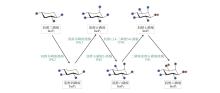
图1
植物中肌醇磷酸激酶磷酸化网络IPK2催化Ins(1,4,5)P3的6位羟基磷酸化生成Ins(1,4,5,6)P4,并进一步催化3位磷酸化生成Ins(1,3,4,5,6)P5;IPK1催化Ins(1,3,4,5,6)P5的2位羟基磷酸化生成InsP?;ITPK进一步催化InsP6生成InsP7;VIH催化InsP7至InsP8的焦磷酸化。
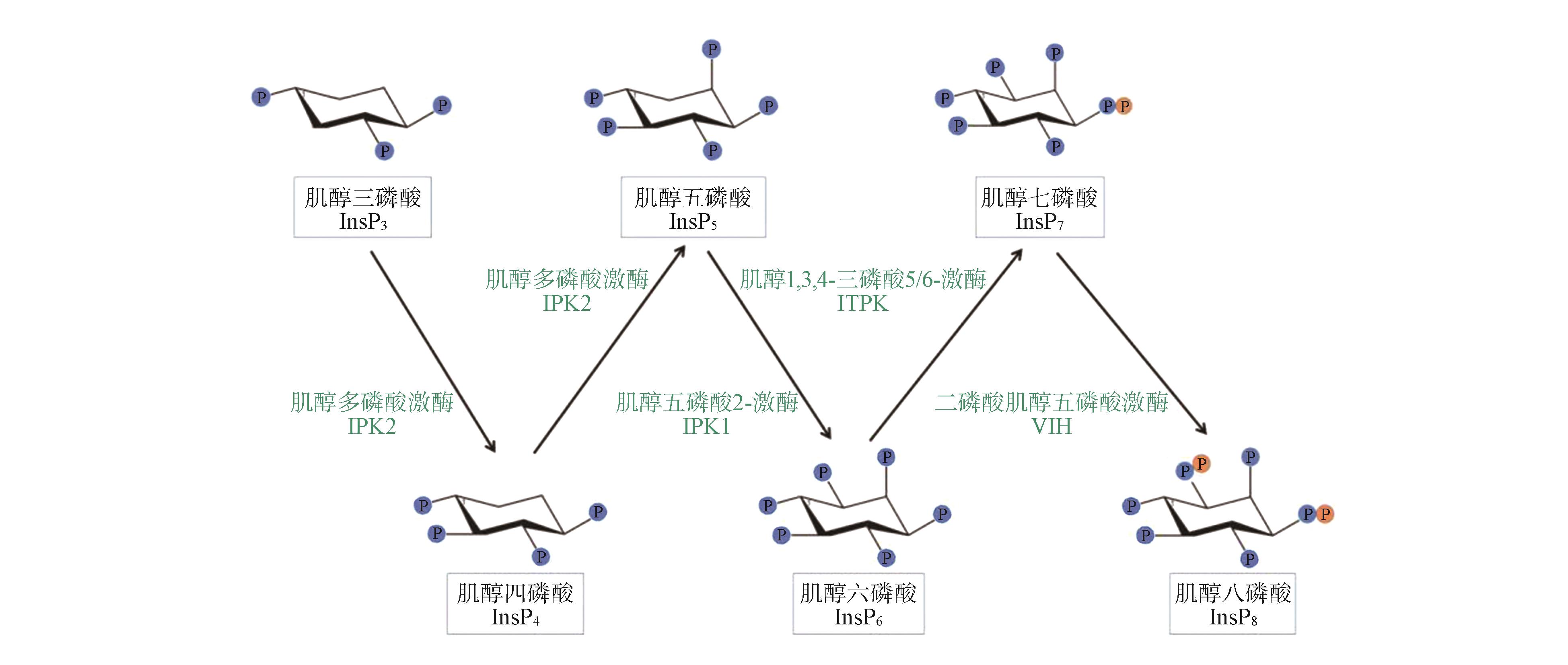
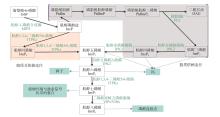
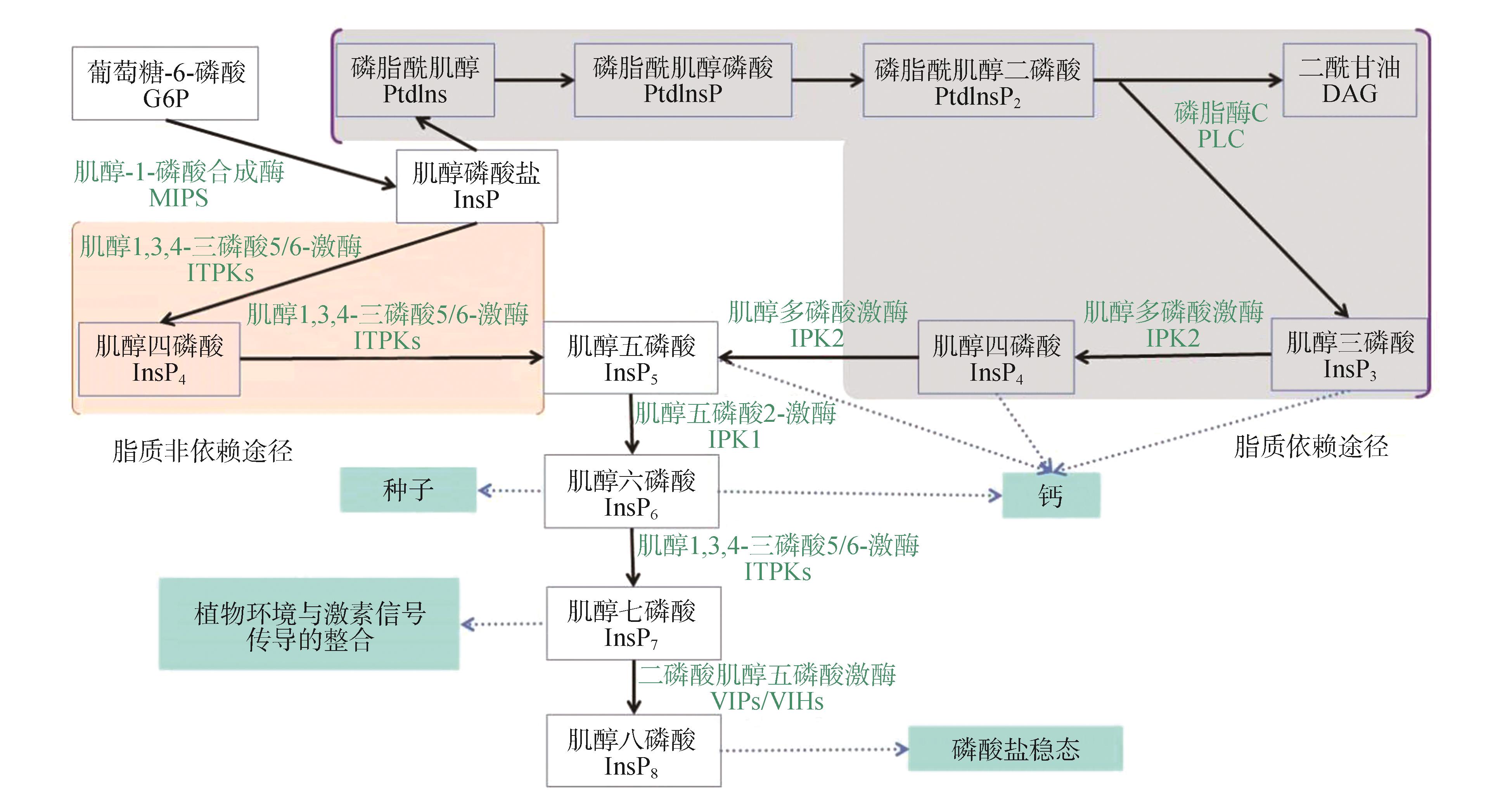
图2
植物中肌醇磷酸激酶作用机制InsP4作为InsP3磷酸化产物,可间接调节植物细胞内钙离子浓度,InsP3、InsP5、InsP6等肌醇磷酸共同直接参与调节植物细胞内钙离子浓度;InsP6还可以作为植酸储存在种子中;InsP7能够响应环境信号和激素信号,调节植物生长发育和代谢过程;InsP8调节植物磷信号调节因子PHR1活性,从而控制磷稳态平衡。
| [1] | GONZÁLEZ B, BAÑOS-SANZ J I, VILLATE M,et al.Inositol 1,3,4,5,6-pentakisphosphate 2-kinase is a distant IPK member with a singular inositide binding site for axial 2-OH recognition[J].Proceedings of the National Academy of Sciences of the United States of America,2010,107(21):9608-9613. |
| [2] | LAHA N P, GIEHL R F H, RIEMER E,et al.Inositol(1,3,4) triphosphate 5/6 KINASE1-dependent inositol polyphosphates regulate auxin responses in Arabidopsis [J].Plant Physiology,2022,190(4):2722-2738. |
| [3] | SHEARS S B, WANG H C.Inositol phosphate kinases:expanding the biological significance of the universal core of the protein kinase fold[J].Advances in Biological Regulation,2019,71:118-127. |
| [4] | SCHELL M J.Inositol trisphosphate 3-kinases:focus on immune and neuronal signaling[J].Cellular and Molecular Life Sciences,2010,67(11):1755-1778. |
| [5] | LI X Y, GU C F, HOSTACHY S,et al.Control of XPR1-dependent cellular phosphate efflux by InsP8 is an exemplar for functionally-exclusive inositol pyrophosphate signaling[J].Proceedings of the National Academy of Sciences of the United States of America,2020,117(7):3568-3574. |
| [6] | SAIARDI A, AZEVEDO C, DESFOUGÈRES Y,et al.Microbial inositol polyphosphate metabolic pathway as drug development target[J].Advances in Biological Regulation,2018,67:74-83. |
| [7] | NAGY R, GROB H, WEDER B,et al.The Arabidopsis ATP-binding cassette protein AtMRP5/AtABCC5 is a high affinity inositol hexakisphosphate transporter involved in guard cell signaling and phytate storage[J].Journal of Biological Chemistry,2009,284 (48):33614-33622. |
| [8] | DESFOUGÈRES Y, WILSON M S C, LAHA D,et al. ITPK1 mediates the lipid-independent synthesis of inositol phosphates controlled by metabolism[J].Proceedings of the National Academy of Sciences of the United States of America,2019,116(49):24551-24561. |
| [9] | MILLER G J, WILSON M P, MAJERUS P W,et al.Specificity determinants in inositol polyphosphate synthesis:crystal structure of inositol 1,3,4-trisphosphate 5/6-kinase[J].Molecular Cell,2005,18(2):201-212. |
| [10] | KUO H F, HSU Y Y, LIN W C,et al. Arabidopsis inositol phosphate kinases IPK1 and ITPK1 constitute a metabolic pathway in maintaining phosphate homeostasis[J].The Plant Journal,2018,95(4):613-630. |
| [11] | LAHA D, PARVIN N, HOFER A,et al. Arabidopsis ITPK1 and ITPK2 have an evolutionarily conserved phytic acid kinase activity[J].ACS Chemical Biology,2019,14(10):2127-2133. |
| [12] | RANDALL T A, GU C F, LI X Y,et al.A two-way switch for inositol pyrophosphate signaling:evolutionary history and biological significance of a unique,bifunctional kinase/phosphatase[J].Advances in Biological Regulation,2020,75:100674. |
| [13] | WILSON M S, JESSEN H J, SAIARDI A.The inositol hexakisphosphate kinases IP6K1 and -2 regulate human cellular phosphate homeostasis,including XPR1-mediated phosphate export[J].Journal of Biological Chemistry,2019,294(30):11597-11608. |
| [14] | LAHA D, JOHNEN P, AZEVEDO C,et al.VIH2 regulates the synthesis of inositol pyrophosphate InsP8 and jasmonate-dependent defenses in Arabidopsis [J].The Plant Cell,2015,27(4):1082-1097. |
| [15] | ZHU J S, LAU K, PUSCHMANN R,et al.Two bifunctional inositol pyrophosphate kinases/phosphatases control plant phosphate homeostasis[J].eLife,2019,8:e43582. |
| [16] | LAHA D, PORTELA-TORRES P, DESFOUGÈRES Y,et al.Inositol phosphate kinases in the eukaryote landscape[J].Advances in Biological Regulation,2021,79:100782. |
| [17] | SHAH A, GANGULI S,SEN J,et al.Inositol pyrophosphates:energetic,omnipresent and versatile signalling molecules[J].Journal of the Indian Institute of Science,2017,97(1):23-40. |
| [18] | COUSO I, SMYTHERS A L, FORD M M,et al.Inositol polyphosphates and target of rapamycin kinase signalling govern photosystem II protein phosphorylation and photosynthetic function under light stress in Chlamydomonas [J].New Phytologist,2021,232(5):2011-2025. |
| [19] | AZEVEDO C, SAIARDI A.Eukaryotic phosphate homeostasis:the inositol pyrophosphate perspective[J].Trends in Biochemical Sciences,2017,42(3):219-231. |
| [20] | LÓPEZ-SÁNCHEZ U, TURY S, NICOLAS G,et al.Interplay between primary familial brain calcification-associated SLC20A2 and XPR1 phosphate transporters requires inositol polyphosphates for control of cellular phosphate homeostasis[J].Journal of Biological Chemistry,2020,295(28):9366-9378. |
| [21] | BLIND R D.Structural analyses of inositol phosphate second messengers bound to signaling effector proteins[J].Advances in Biological Regulation,2020,75:100667. |
| [22] | QIU D Y, WILSON M S, EISENBEIS V B,et al.Analysis of inositol phosphate metabolism by capillary electrophoresis electrospray ionization mass spectrometry[J].Nature Communications,2020,11(1):6035. |
| [23] | KOMATSU H, TANABE K, NISHIMOTO S I.(13)C-labeled indolequinone-DTPA-Gd conjugate for NMR probing cytochrome:P450 reductase-mediated one-electron reduction[J].Bioorganic & Medicinal Chemistry Letters,2011,21(2):790-793. |
| [24] | ITO M, FUJII N, WITTWER C,et al.Hydrophilic interaction liquid chromatography-tandem mass spectrometry for the quantitative analysis of mammalian-derived inositol poly/pyrophosphates[J].Journal of Chromatography A,2018,1573:87-97. |
| [25] | WILSON M S C, BULLEY S J, PISANI F,et al.A novel method for the purification of inositol phosphates from biological samples reveals that no phytate is present in human plasma or urine[J].Open Biology,2015,5(3):150014. |
| [26] | SHEARS S B, BAUGHMAN B M, GU C F,et al.The significance of the 1-kinase/1-phosphatase activities of the PPIP5K family[J].Advances in Biological Regulation,2017,63:98-106. |
| [27] | KUO H F, CHANG T Y, CHIANG S F,et al. Arabidopsis inositol pentakisphosphate 2-kinase,AtIPK1,is required for growth and modulates phosphate homeostasis at the transcriptional level[J].The Plant Journal,2014,80(3):503-515. |
| [28] | PERERA I, SENEWEERA S, HIROTSU N.Manipulating the phytic acid content of rice grain toward improving micronutrient bioavailability[J].Rice,2018,11:4. |
| [29] | TAKAGI D, MIYAGI A, TAZOE Y,et al.Phosphorus toxicity disrupts rubisco activation and reactive oxygen species defence systems by phytic acid accumulation in leaves[J].Plant,Cell & Environment,2020,43(9):2033-2053. |
| [30] | ZHAN H D, ZHONG Y J, YANG Z G,et al.Enzyme activities of Arabidopsis inositol polyphosphate kinases AtIPK2α and AtIPK2β are involved in pollen development,pollen tube guidance and embryogenesis[J].The Plant Journal,2015,82(5):758-771. |
| [31] | ZHU J Q, ZHANG J T, TANG R J,et al.Molecular characterization of ThIPK2,an inositol polyphosphate kinase gene homolog from Thellungiella halophila,and its heterologous expression to improve abiotic stress tolerance in Brassica napus [J].Physiologia Plantarum,2009,136(4):407-425. |
| [32] | STILES A R, QIAN X, SHEARS S B,et al.Metabolic and signaling properties of an Itpk gene family in Glycine max .FEBS Letters,2008,582(13):1853-1858. |
| [33] | CHEN Y, HAN J M, WANG X Y,et al. OsIPK2,a rice inositol polyphosphate kinase gene,is involved in phosphate homeostasis and root development[J].Plant and Cell Physiology,2023,64(8):893-905. |
| [34] | SONG J H, SHIN G, KIM H J,et al.Mutation of GmIPK1 gene using CRISPR/Cas9 reduced phytic acid content in soybean seeds[J].International Journal of Molecular Sciences,2022,23(18):10583. |
| [35] | STEPHENS L R, IRVINE R F.Stepwise phosphorylation of myo-inositol leading to myo-inositol hexakisphosphate in Dictyostelium [J].Nature,1990,346(6284):580-583. |
| [36] | BREARLEY C A, HANKE D E.Metabolic evidence for the order of addition of individual phosphate esters in the myo-inositol moiety of inositol hexakisphosphate in the duckweed Spirodela polyrhiza L.[J].Biochemical Journal,1996,314(1):227-233. |
| [37] | WAKEEL A, ARIF S, BASHIR M A,et al.Perspectives of folate biofortification of cereal grains[J].Journal of Plant Nutrition,2018,41(19):2507-2524. |
| [38] | SHI J R, WANG H Y, WU Y S,et al.The maize low-phytic acid mutant lpa2 is caused by mutation in an inositol phosphate kinase gene[J].Plant Physiology,2003,131(2):507-515. |
| [39] | JOSEFSEN L, BOHN L, SORENSEN M B,et al.Characterization of a multifunctional inositol phosphate kinase from rice and barley belonging to the ATP-grasp superfamily[J].Gene,2007,397(1/2):114-125. |
| [40] | SWEETMAN D, STAVRIDOU I, JOHNSON S,et al. Arabidopsis thaliana inositol 1,3,4-trisphosphate 5/6-kinase 4 (AtITPK4) is an outlier to a family of ATP-grasp fold proteins from Arabidopsis [J].FEBS Letters,2007,581(22):4165-4171. |
| [41] | SAIARDI A, ERDJUMENT-BROMAGE H, SNOWMAN A M,et al.Synthesis of diphosphoinositol pentakisphosphate by a newly identified family of higher inositol polyphosphate kinases[J].Current Biology,1999,9(22):1323-1326. |
| [42] | FREED C, ADEPOJU O, GILLASPY G.Can inositol pyrophosphates inform strategies for developing low phytate crops?[J].Plants,2020,9(1):115. |
| [43] | RIEMER E, QIU D Y, LAHA D,et al.ITPK1 is an InsP6/ADP phosphotransferase that controls phosphate signaling in Arabidopsis [J].Molecular Plant,2021,14(11):1864-1880. |
| [44] | DONG J S, MA G J, SUI L Q,et al.Inositol pyrophosphate InsP8 acts as an intracellular phosphate signal in Arabidopsis [J].Molecular Plant,2019,12(11):1463-1473. |
| [45] | DESAI M, RANGARAJAN P, DONAHUE J L,et al.Two inositol hexakisphosphate kinases drive inositol pyrophosphate synthesis in plants[J].The Plant Journal,2014,80(4):642-653. |
| [46] | LEMTIRI-CHLIEH F, MACROBBIE E A C, BREARLEY C A.Inositol hexakisphosphate is a physiological signal regulating the K+-inward rectifying conductance in guard cells[J].Proceedings of the National Academy of Sciences of the United States of America,2000,97(15):8687-8692. |
| [47] | DORSCH J A, COOK A, YOUNG K A,et al.Seed phosphorus and inositol phosphate phenotype of barley low phytic acid genotypes[J].Phytochemistry,2003,62(5):691-706. |
| [48] | MULUGU S, BAI W L, FRIDY P C,et al.A conserved family of enzymes that phosphorylate inositol hexakisphosphate[J].Science,2007,316(5821):106-109. |
| [49] | WILD R, GERASIMAITE R, JUNG J Y,et al.Control of eukaryotic phosphate homeostasis by inositol polyphosphate sensor domains[J].Science,2016,352(6288):986-990. |
| [50] | ZHU A Q, IBRAHIM J G, LOVE M I.Heavy-tailed prior distributions for sequence count data:removing the noise and preserving large differences[J].Bioinformatics,2019,35(12):2084-2092. |
| [51] | NAGPAL L, HE S N, RAO F,et al.Inositol pyrophosphates as versatile metabolic messengers[J].Annual Review of Biochemistry,2024,93:317-338. |
| [52] | STEGER D J, HASWELL E S, MILLER A L,et al.Regulation of chromatin remodeling by inositol polyphosphates[J].Science,2003,299(5603):114-116. |
| [53] | WILSON M S C, LIVERMORE T M, SAIARDI A.Inositol pyrophosphates:between signalling and metabolism[J].Biochemical Journal,2013,452(3):369-379. |
| [54] | BLOOT A P M, KALSCHNE D L, AMARAL J A S,et al.A review of phytic acid sources,obtention,and applications[J].Food Reviews International,2023,39(1):73-92. |
| [55] | SHAMSUDDIN A K, Bose S.IP6(inositol hexaphosphate) as a signaling molecule[J].Current Signal Transduction Therapy,2012,7(3):289-304. |
| [56] | BROUNS F.Phytic acid and whole grains for health controversy[J].Nutrients,2022,14(1):25. |
| [57] | XU L L, CUI M Q, XU C,et al.A clade of receptor-like cytoplasmic kinases and 14-3-3 proteins coordinate inositol hexaphosphate accumulation[J].Nature Communications,2024,15:5107. |
| [58] | PERERA I, SENEWEERA S, HIROTSU N.Manipulating the phytic acid content of rice grain toward improving micronutrient bioavailability[J].Rice,2018,11:4. |
| [59] | LIU H T, GAO F, CUI S J,et al.Primary evidence for involvement of IP3 in heat-shock signal transduction in Arabidopsis [J].Cell Research,2006,16(4):394-400. |
| [60] | WANG LN, CUI J, ZHANG N,et al. OsIPK1 frameshift mutations disturb phosphorus homeostasis and impair starch synthesis during grain filling in rice[J].Plant Molecular Biology,2024,114(5):91. |
| [61] | XIA H J, YANG G.Inositol 1,4,5-trisphosphate 3-kinases:functions and regulations[J].Cell Research,2005,15(2):83-91. |
| [62] | YADAV R, LIU G Z, RANA P,et al.Conservation of heat stress acclimation by the inositol polyphosphate multikinase,IPMK responsible for 4/6-InsP7 production in land plants[EB/OL].bioRxiv,(2023-11-18)[2025-03-30].. |
| [63] | JIANG M, LIU Y H, LI R Q,et al.An inositol 1,3,4,5,6-pentakisphosphate 2-kinase 1 mutant with a 33-nt deletion showed enhanced tolerance to salt and drought stress in rice[J].Plants,2021,10(1):23. |
| [64] | WANG W, XIE Y W, LIU L,et al.Genetic control of seed phytate accumulation and the development of low-phytate crops:a review and perspective[J].Journal of Agricultural and Food Chemistry,2022,70(11):3375-3390. |
| [65] | ALI N, PAUL S, GAYEN D,et al.Development of low phytate rice by RNAi mediated seed-specific silencing of inositol 1,3,4,5,6-pentakisphosphate 2-kinase gene (IPK1)[J].PLoS One,2013,8(7):e68161. |
| [66] | AGGARWAL S, KUMAR A, BHATI K K,et al.RNAi-mediated downregulation of inositol pentakisphosphate kinase(IPK1) in wheat grains decreases phytic acid levels and increases Fe and Zn accumulation[J].Frontiers in Plant Science,2018,9:259. |
| [67] | ZHANG Y, LIANG Z, ZONG Y,et al.Efficient and transgene-free genome editing in wheat through transient expression of CRISPR/Cas9 DNA or RNA[J].Nature Communications,2016,7:12617. |
| [68] | WHITFIELD H, WHITE G, SPRIGG C,et al.An ATP-responsive metabolic cassette comprised of inositol tris/tetrakisphosphate kinase 1 (ITPK1) and inositol pentakisphosphate 2-kinase(IPK1) buffers diphosphosphoinositol phosphate levels[J].Biochemical Journal,2020,477(14):2621-2638. |
| [69] | GULABANI H, GOSWAMI K, WALIA Y,et al. Arabidopsis inositol polyphosphate kinases IPK1 andITPK1 modulate crosstalk between SA-dependent immunity and phosphate-starvation responses[J].Plant Cell Reports,2022,41(2):347-363. |
| [70] | COLOMBO F, PAOLO D, COMINELLI E,et al.MRP transporters and low phytic acid mutants in major crops:main pleiotropic effects and future perspectives[J].Frontiers in Plant Science,2020,11:1301. |
| [71] | CHIU C H, PASZKOWSKI U.Mechanisms and impact of symbiotic phosphate acquisition[J].Cold Spring Harbor Perspectives in Biology,2019,11(6):a034603. |
| [72] | POIRIER Y, JASKOLOWSKI A, CLÚA J.Phosphate acquisition and metabolism in plants[J].Current Biology,2022,32(12):R623-R629. |
| [73] | SHUKLA A, KAUR M, KANWAR S,et al.Wheat inositol pyrophosphate kinase TaVIH2-3B modulates cell-wall composition and drought tolerance in Arabidopsis [J].BMC Biology,2021,19(1):261. |
| [74] | SONG L Z, WANG Y N, GUO Z A,et al.NCP2/RHD4/SAC7,SAC6 and SAC8 phosphoinositide phosphatases are required for PtdIns4P and PtdIns(4,5)P2 homeostasis and Arabidopsis development[J].New Phytologist,2021,231(2):713-725. |
| [75] | YANG S L, FANG G N, ZHANG A P,et al.Rice EARLY SENESCENCE 2,encoding an inositol polyphosphate kinase,is involved in leaf senescence[J].BMC Plant Biology,2020,20(1):393. |
| [76] | CHEN Y, YANG Q F, SANG S H,et al.Rice inositol polyphosphate kinase(OsIPK2) directly interacts with OsIAA11 to regulate lateral root formation[J].Plant and Cell Physiology,2017,58(11):1891-1900. |
| [77] | CHEN Y, HAN J M, WANG X Y,et al. OsIPK2,a rice inositol polyphosphate kinase gene,is involved in phosphate homeostasis and root development[J].Plant and Cell Physiology,2023,64(8):893-905. |
| [78] | AOYAMA T.Phospholipid signaling in root hair development[M]//Emons A M C,Ketelaar T,et al.Root hairs.Plant Cell Monographs:Vol.12.Berlin:Springer,2009:171-189. |
| [79] | ZHAN H D, ZHONG Y J, YANG Z N,et al.Enzyme activities of Arabidopsis inositol polyphosphate kinases AtIPK2α and AtIPK2β are involved in pollen development,pollen tube guidance and embryogenesis[J].The Plant Journal,2015,82(5):758-771. |
| [80] | STEVENSON-PAULIK J, BASTIDAS R J, CHIOU S T,et al.Generation of phytate-free seeds in Arabidopsis through disruption of inositol polyphosphate kinases[J].Proceedings of the National Academy of Sciences of the United States of America,2005,102(35):12612-12617. |
| [81] | IBRAHIM S, SALEEM B, REHMAN N,et al.CRISPR/Cas9 mediated disruption of Inositol Pentakisphosphate 2-Kinase 1(TaIPK1) reduces phytic acid and improves iron and zinc accumulation in wheat grains[J].Journal of Advanced Research,2022,37:33-41. |
| [82] | CHEN Y, WEI Z Y, YANG Q F,et al.Rice inositol polyphosphate kinase gene(OsIPK2),a putative new player of gibberellic acid signaling,involves in modulation of shoot elongation and fertility[J].Plant Cell,Tissue and Organ Culture,2017,131(3):471-482. |
| [1] | 杨华, 卢启航, 杜彦君, 王文娜. 旱雨季交替对入侵种拉关木与乡土种白骨壤整株碳氮分配及权衡策略的影响[J]. 植物研究, 2026, 46(2): 336-347. |
| [2] | 吴卫倩, 胡子建, 沈诗雅, 张贵芳, 林金星, 张曦. 植物不定根再生与扦插生根相关激素调控研究进展[J]. 植物研究, 2026, 46(1): 13-24. |
| [3] | 李政, 陈凤欣, 刘雨奇, 李明明, 尹嘉璨, 刘超, 夏新莉. 过表达PtrMYB002基因抑制拟南芥生长并提高其抗旱性[J]. 植物研究, 2026, 46(1): 67-82. |
| [4] | 孟文瑞, 刘思怡, 黄雄, 陈小红. 濒危植物光叶蕨配子体发育[J]. 植物研究, 2026, 46(1): 83-90. |
| [5] | 吴玉虎, 冷振宁, 李聪佳, 张泽林, 庞哲. 青海野生种子植物种的垂直分布[J]. 植物研究, 2025, 45(6): 861-872. |
| [6] | 张珊珊, 阮孙美, 杨文忠. 云南金花茶的遗传多样性评价和核心种质构建[J]. 植物研究, 2025, 45(6): 909-918. |
| [7] | 何利钦, 谷海燕. 峨眉山13种野生兰科植物花粉形态特征[J]. 植物研究, 2025, 45(6): 939-951. |
| [8] | 都兰, 王铁娟, 周雪萌, 张蕊, 张冰冰, 冯婧. 沙冬青与霸王群落交错区种内与种间竞争关系[J]. 植物研究, 2025, 45(6): 997-1002. |
| [9] | 龙姿羽, 王志成, 赵蕊, 刘冰, 陈功锡. 德夯地质公园岩溶河谷源头瀑布草本群落植物多样性[J]. 植物研究, 2025, 45(5): 707-721. |
| [10] | 张政, 张鹏. 黑龙江西部3种杨树生长及生理特征比较[J]. 植物研究, 2025, 45(5): 807-815. |
| [11] | 李卓穗, 高一琳, 刘寒, 尚旭岚. 二倍体青钱柳愈伤组织诱导及次生代谢物积累[J]. 植物研究, 2025, 45(4): 533-545. |
| [12] | 王莹莹, 余登利, 邱风进, 晏融融, 胡国雄. 濒危植物岩生鼠尾草的组培快繁技术[J]. 植物研究, 2025, 45(4): 558-568. |
| [13] | 柴民伟, 吴一凡, 李瑞利, 周琳, 沈小雪. 镉和微塑料及二者复合对秋茄生长及光合特征的影响[J]. 植物研究, 2025, 45(4): 603-613. |
| [14] | 刘熹, 黄弘远, 易盛昌, 余雅迪, 王皓, 倪小康, 胡玉丽, 张令. 入侵植物与菌根真菌互作及其对土壤氮循环的影响研究进展[J]. 植物研究, 2025, 45(3): 371-385. |
| [15] | 孙子腾, 王新宇, 侯丽丽, 刘月影, 郑志民. 白桦BpGRFs基因鉴定与功能初步分析[J]. 植物研究, 2025, 45(2): 191-201. |
| 阅读次数 | ||||||
|
全文 |
|
|||||
|
摘要 |
|
|||||