Bulletin of Botanical Research ›› 2026, Vol. 46 ›› Issue (2): 220-230.doi: 10.7525/j.issn.1673-5102.2026.02.003
• Original Paper • Previous Articles Next Articles
Yuling ZENG1,2, Yichao ZHANG1, Xiaohua MA1, Lin YANG1, Jing NIE3, Jianjian HU1,2( )
)
Received:2025-10-12
Online:2026-03-20
Published:2026-04-02
Contact:
Jianjian HU
E-mail:hujianjian1130@foxmail.com
CLC Number:
Yuling ZENG, Yichao ZHANG, Xiaohua MA, Lin YANG, Jing NIE, Jianjian HU. Non-specific Lipid Transfer Protein nsLTP2 Mediates the Cell Wall Transport of Volatile Organic Compounds in Lavender Glandular Trichomes[J]. Bulletin of Botanical Research, 2026, 46(2): 220-230.
Add to citation manager EndNote|Ris|BibTeX
URL: https://bbr.nefu.edu.cn/EN/10.7525/j.issn.1673-5102.2026.02.003
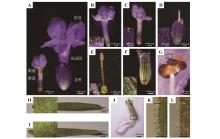
Fig.1
Types of trichomes in different tissues of lavenderA. External and internal morphology of a lavender flower; B. Corolla exterior and morphology of capitate glandular trichomes; C. Abaxial view of the corolla and morphology of peltate glandular trichomes; D. Calyx exterior and morphology of stellate non-glandular trichomes; E. Pistil and morphology of conical non-glandular trichomes; F. Interior view of the calyx and morphology of linear non-glandular trichomes; G. Morphology of the pistil; H. Adaxial side of a leaf and its microstructure; I. Abaxial side of a leaf and its microstructure; J. Morphology of a bud; K. Morphology of capitate glandular trichomes on a cotyledon; L. Morphology of capitate glandular trichomes on the hypocotyl.
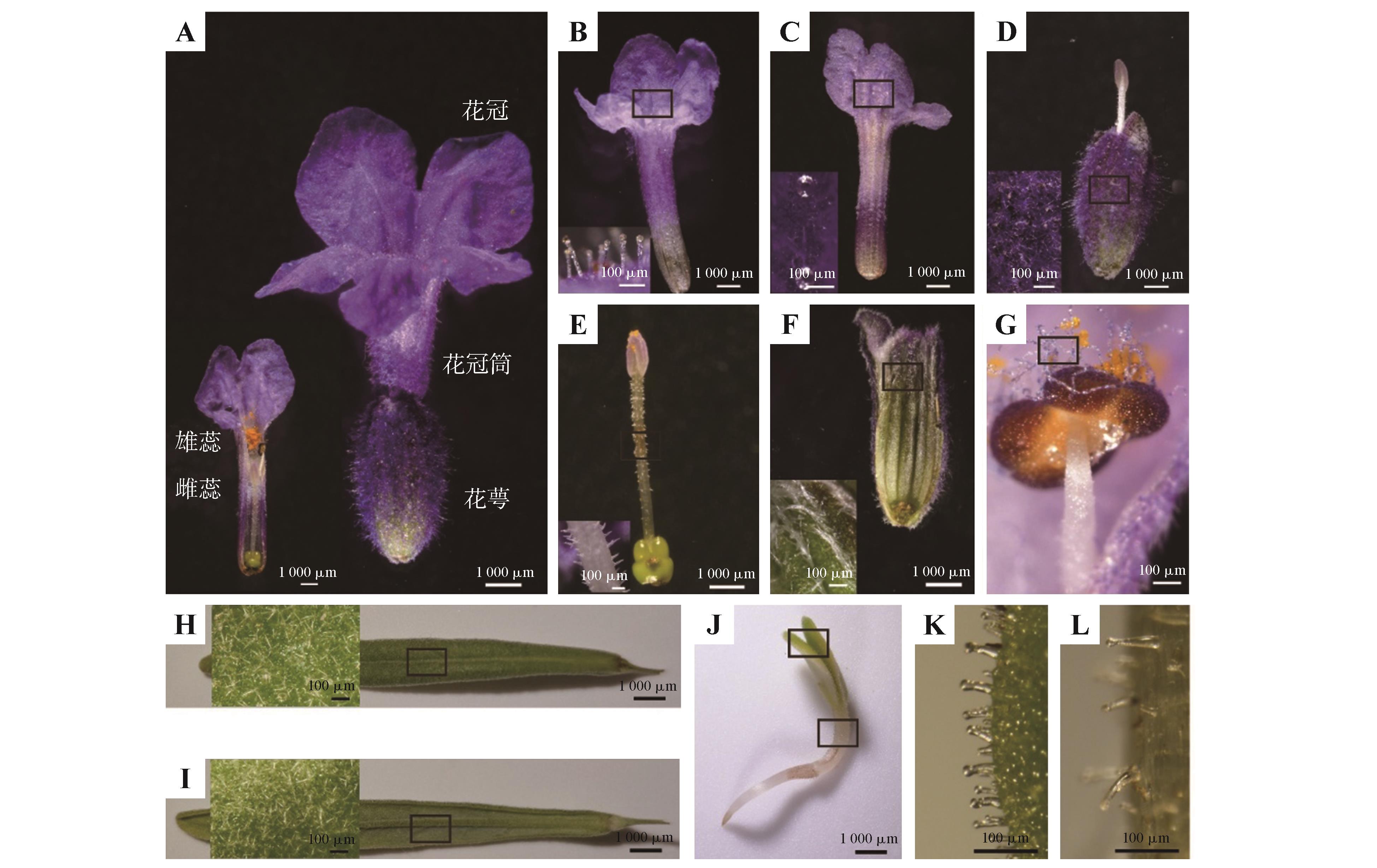
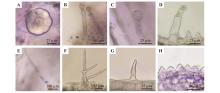
Fig.2
Morphology of different types of trichomesA. Peltate glandular trichome;B. Capitate glandular trichome(type Ⅰ);C. Capitate glandular trichome(type Ⅱ);D. Capitate glandular trichome (type Ⅲ);E. Linear non-glandular trichome;F. Stellate non-glandular trichome;G. Conical non-glandular trichome;H. Papillate non-glandular trichome.
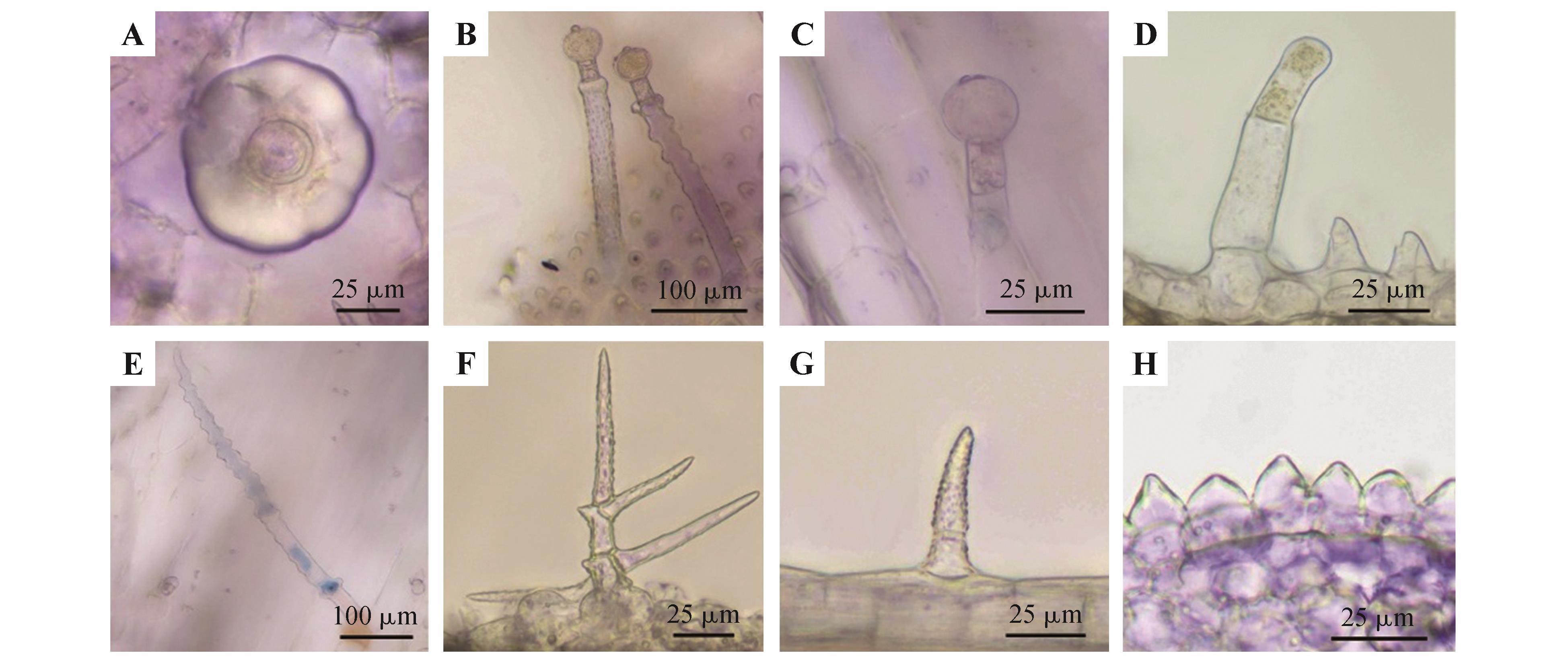
Fig.3
Ultrastructure of lavender trichomesA. Adaxial view of a leaf;B. Abaxial view of a leaf;C and D. Abaxial peltate glandular trichomes.
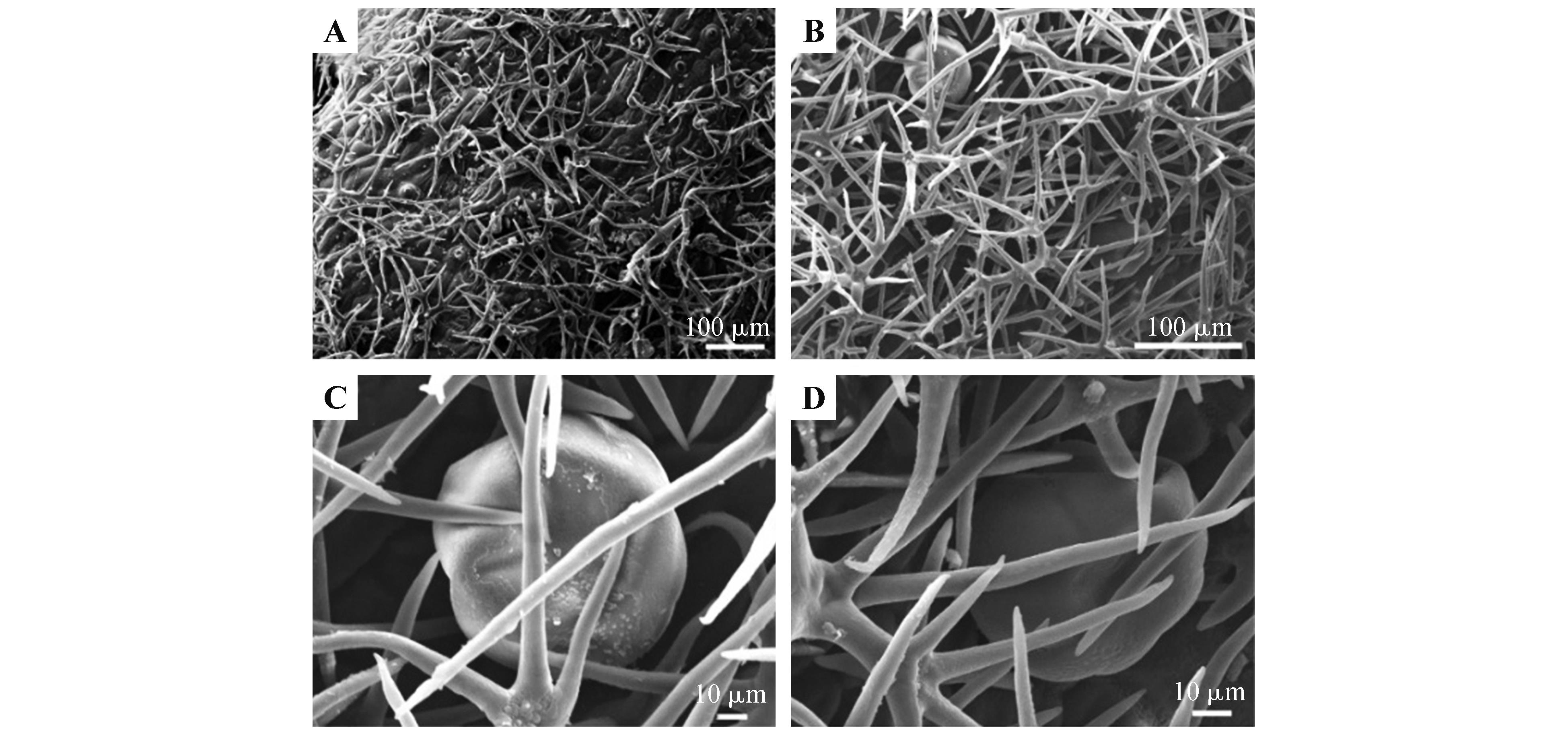
Fig.4
Analysis of the multiple sequence alignment of nsLTPs proteinThe eight conserved cysteine residues were indicated with green arrows.
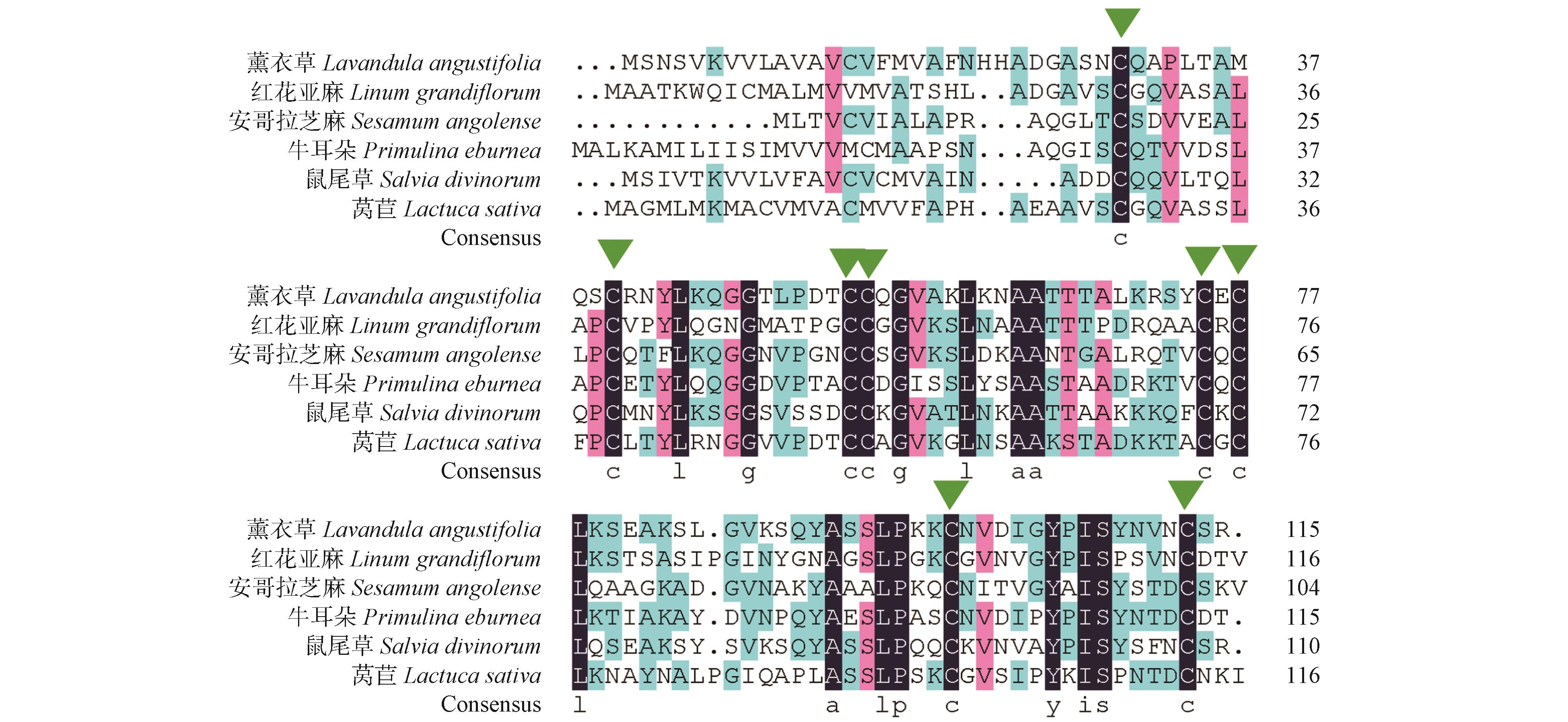
Fig.5
Phylogenetic analysis of the nsLTP2 protein and the gene expression patternsA. Phylogenetic tree of the nsLTP2 protein; B. Expression analysis of the nsLTP2 gene across various tissues of lavender at different flowering stages. Triple asterisks (***) indicated a statistically significant difference at P<0.01.
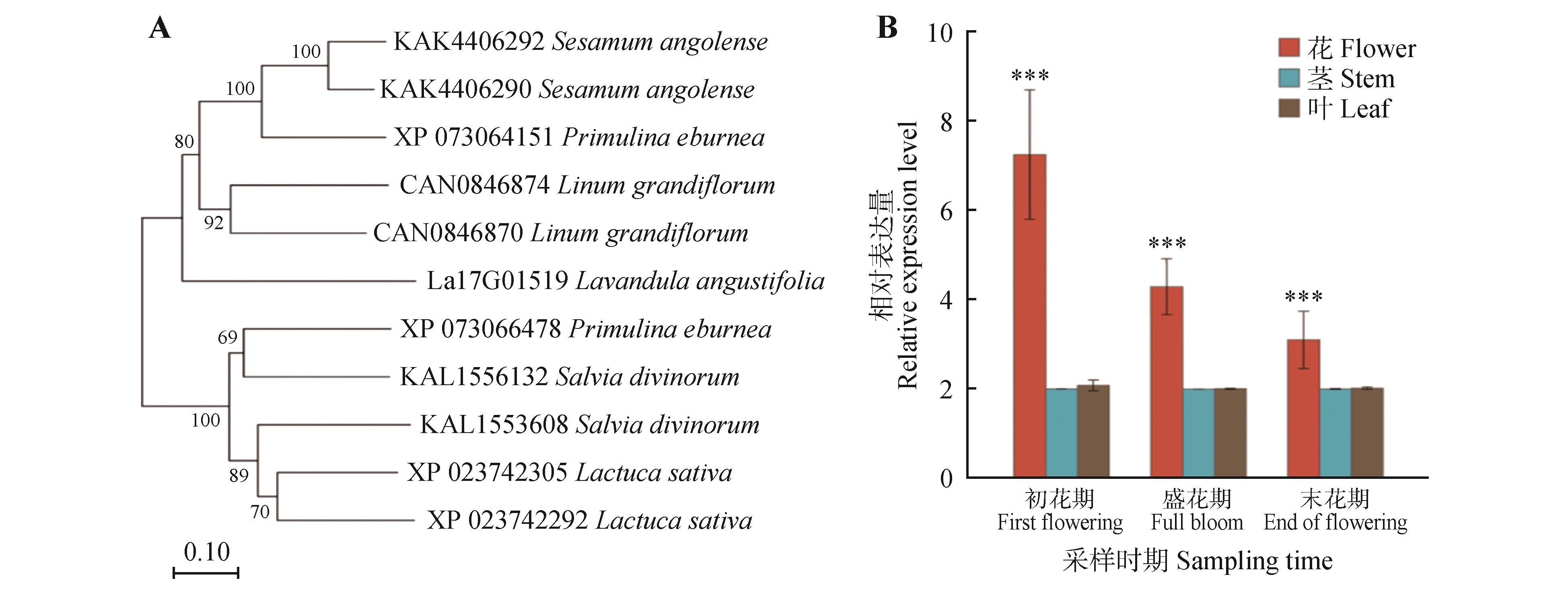
Fig.6
Subcellular localization of nsLTP2 proteinTobacco(Nicotiana benthamiana) leaves were transiently transformed to express pBI121-35S-EGFP-nsLTP2(experimental group) and pBI121-35S-EGFP (control group). Green fluorescence signals corresponded to the nsLTP2-EGFP fusion protein,while red fluorescence signals indicated cell walls stained with PI. Triangles were used to mark the position of the plasma membrane.
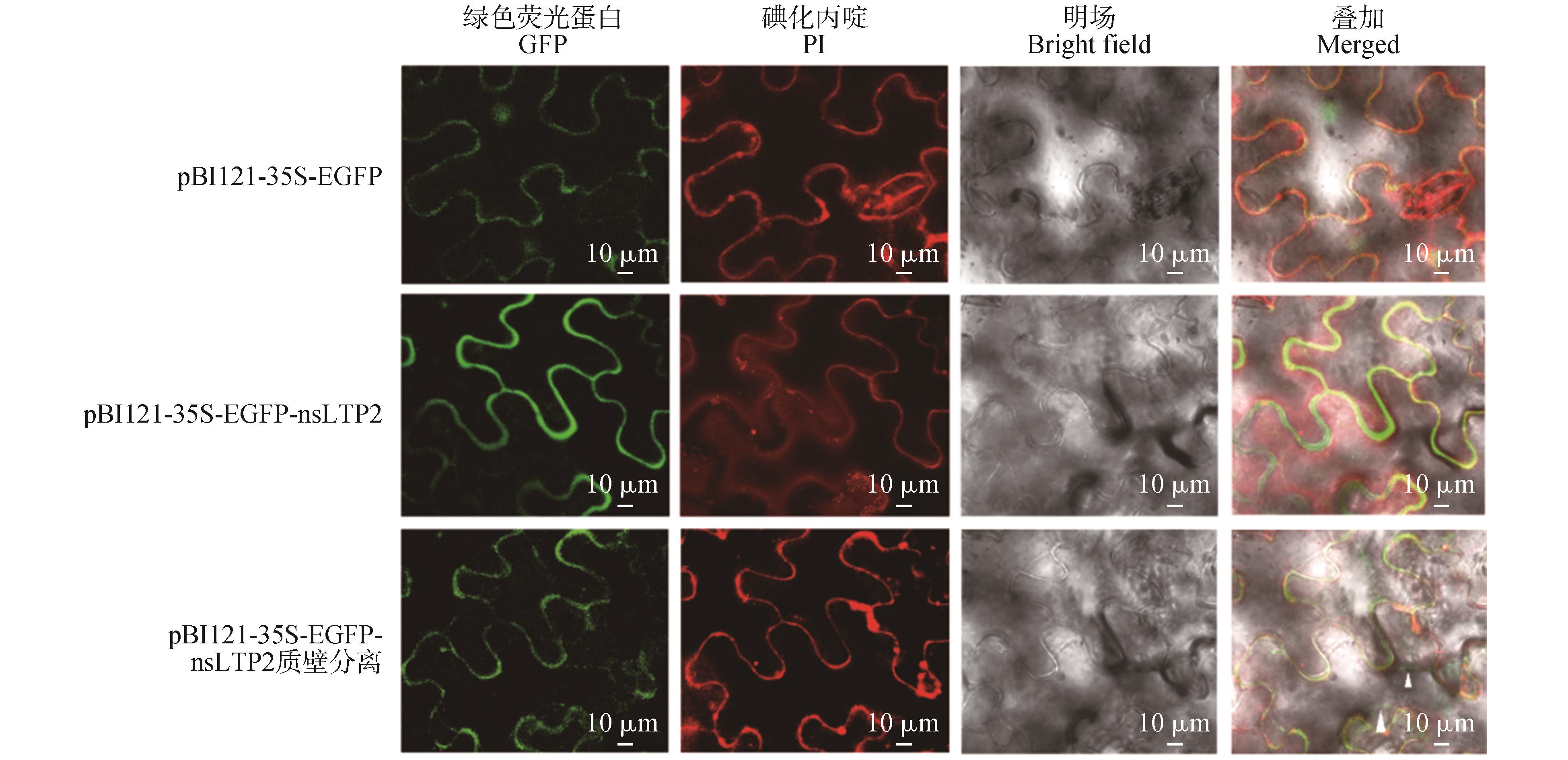
Fig.7
Expression and purification of nsLTP proteinA. Representative SDS-PAGE analysis of nickel-affinity purification. M. Protein molecular weight marker; S. Soluble fraction; P. Pellet; Ft. Flow-through; W1 and W2. Wash fractions; E. Elution fraction. B. Ion-exchange chromatography purification. Upper panel: Chromatogram obtained from the ion-exchange column. Fractions A10 to A15 (highlighted by the black box in the chromatogram) were collected for further analysis. C. Size-exclusion chromatography purification. Upper panel: Chromatogram derived from the size-exclusion column. Fractions A05 to B15 (indicated by the black box in the chromatogram) were collected for subsequent analysis.
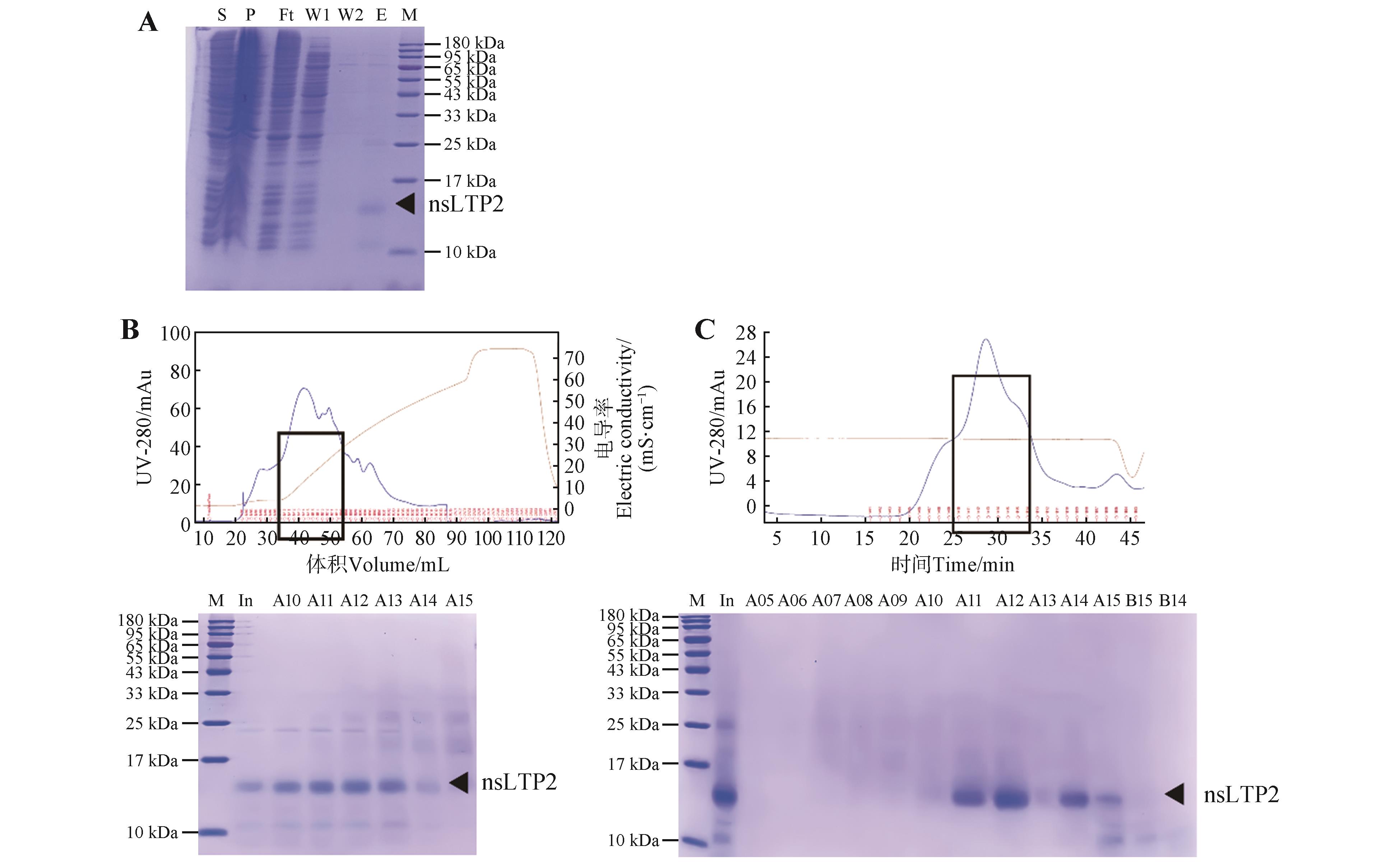
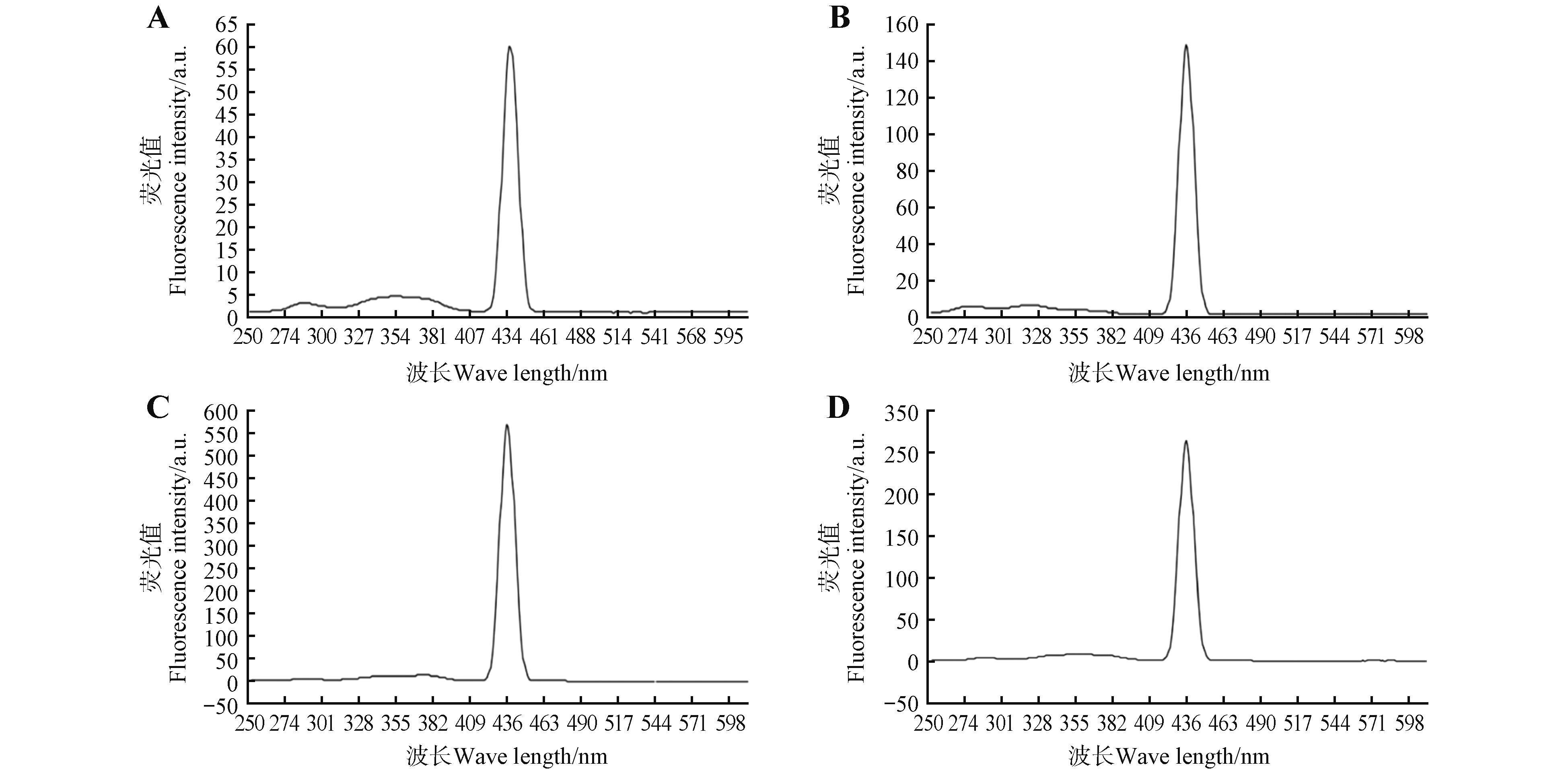
Fig.8
Assay for linalool binding activity of the nsLTP2 proteinA. Control:TNS in buffer; B. TNS added to heat-denatured nsLTP2 protein; C. TNS added to the native nsLTP2 protein; D. Linalool added after the mixture of nsLTP2 protein and TNS.
| [1] | PEÑUELAS J, LLUSIÀ J.Plant VOC emissions:making use of the unavoidable[J].Trends in Ecology & Evolution,2004,19(8):402-404. |
| [2] | DUDAREVA N, KLEMPIEN A, MUHLEMANN J K,et al.Biosynthesis,function and metabolic engineering of plant volatile organic compounds[J].New Phytologist,2013,198(1):16-32. |
| [3] | BROSSET A, BLANDE J D.Volatile-mediated plant-plant interactions:volatile organic compounds as modulators of receiver plant defence,growth,and reproduction[J].Journal of Experimental Botany,2022,73(2):511-528. |
| [4] | WENG J K, LYNCH J H, MATOS J O,et al.Adaptive mechanisms of plant specialized metabolism connecting chemistry to function[J].Nature Chemical Biology,2021,17(10):1037-1045. |
| [5] | ADEBESIN F, WIDHALM J R, BOACHON B,et al.Emission of volatile organic compounds from Petunia flowers is facilitated by an ABC transporter[J].Science,2017,356(6345):1386-1388. |
| [6] | GLAS J J, SCHIMMEL B C J, ALBA J M,et al.Plant glandular trichomes as targets for breeding or engineering of resistance to herbivores[J].International Journal of Molecular Sciences,2012,13(12):17077-17103. |
| [7] | ICHINO T, YAZAKI K.Modes of secretion of plant lipophilic metabolites via ABCG transporter-dependent transport and vesicle-mediated trafficking[J].Current Opinion in Plant Biology,2022,66(1):102184. |
| [8] | LIAO P,RAY S, BOACHON B,et al.Cuticle thickness affects dynamics of volatile emission from Petunia flowers[J].Nature Chemical Biology,2021,17(2):138-145. |
| [9] | BONIFACINO J S, GLICK B S.The mechanisms of vesicle budding and fusion[J].Cell,2004,116(2):153-166. |
| [10] | LIAO P, MAOZ I, SHIH M L,et al.Emission of floral volatiles is facilitated by cell-wall non-specific lipid transfer proteins[J].Nature Communications,2023,14(1):330. |
| [11] | SALLAUD C, GIACALONE C, TÖPFER R,et al.Characterization of two genes for the biosynthesis of the labdane diterpene Z-abienol in tobacco (Nicotiana tabacum) glandular trichomes[J].The Plant Journal,2012,72(1):1-17. |
| [12] | KAUR S, KHANAL N, DEARTH R,et al.Morphological characterization of intraspecific variation for trichome traits in tomato(Solanum lycopersicum)[J].Botanical Studies,2023,64(1):7. |
| [13] | MISSAOUI K, GONZALEZ-KLEIN Z, PAZOS-CASTRO D,et al.Plant non-specific lipid transfer proteins:an overview[J].Plant Physiology and Biochemistry,2022,171(6):115-127. |
| [14] | CHOI Y E,LIM S, KIM H J,et al.Tobacco NtLTP1,a glandular-specific lipid transfer protein,is required for lipid secretion from glandular trichomes[J].The Plant Journal,2012,70(3):480-491. |
| [15] | WANG B, KASHKOOLI A B, SALLETS A,et al.Transient production of artemisinin in Nicotiana benthamiana is boosted by a specific lipid transfer protein from A.annua [J].Metabolic Engineering,2016,38(7):159-169. |
| [16] | EDQVIST J, BLOMQVIST K, NIEUWLAND J,et al.Plant lipid transfer proteins:are we finally closing in on the roles of these enigmatic proteins?[J].Journal of Lipid Research,2018,59(8):1374-1382. |
| [17] | EDSTAM M M, VIITANEN L, SALMINEN T A,et al.Evolutionary history of the non-specific lipid transfer proteins[J].Molecular Plant,2011,4(6):947-964. |
| [18] | SALMINEN T A, BLOMQVIST K, EDQVIST J.Lipid transfer proteins:classification,nomenclature,structure,and function[J].Planta,2016,244(5):971-997. |
| [19] | LIU F, ZHANG X B, LU C M,et al.Non-specific lipid transfer proteins in plants:presenting new advances and an integrated functional analysis[J].Journal of Experimental Botany,2015,66(19):5663-5681. |
| [20] | ZHANG Y N, WANG D, LI H,et al.Formation mechanism of glandular trichomes involved in the synthesis and storage of terpenoids in lavender[J].BMC Plant Biology,2023,23:307. |
| [21] | 张夏夏,陈凌娜,杨扬,等.薰衣草非特异性脂质转移蛋白基因nsLTP2-1和nsLTP2-2的克隆与功能分析[J].植物遗传资源学报,2024,25(5):834-843. |
| ZHANG X X, CHEN L N, YANG Y,et al.Cloning and functional analysis of nonspecific lipid transfer protein genes nsLTP2-1 and nsLTP2-2 in lavender[J].Journal of Plant Genetic Resources,2024,25(5):834-843. | |
| [22] | SHENKAREV Z O, MELNIKOVA D N, FINKINA E I,et al.Ligand binding properties of the lentil lipid transfer protein:molecular insight into the possible mechanism of lipid uptake[J].Biochemistry,2017,56(12):1785-1796. |
| [23] | GIULIANI C, BOTTONI M, ASCRIZZI R,et al. Lavandula dentata from Italy:analysis of trichomes and volatiles[J].Chemistry & Biodiversity,2020,17(11):e2000532. |
| [24] | SHARMA S, SANGWAN N S, SANGWAN R S.Developmental process of essential oil glandular trichome collapsing in menthol mint[J].Current Science,2003,84(4):544-550. |
| [25] | LUO S H, LUO Q, NIU X M,et al.Glandular trichomes of Leucosceptrum canum harbor defensive sesterterpenoids[J].Angewandte Chemie,2010,49(26):4471-4475. |
| [26] | 王露,赵天祎,蔡明.植物腺毛中防御物质的合成与调控及转运研究进展[J].西北植物学报,2021,41(2):338-347. |
| WANG L, ZHAO T Y, CAI M.Advances in synthesis,regulation and transportation of defensive substances produced in plant glandular trichomes[J].Acta Botanica Boreali-Occidentalia Sinica,2021,41(2):338-347. | |
| [27] | 刘若菡,刘红燕,张永清.基于场发射扫描电镜的4种唇形科植物腺毛形态观察研究[J].电子显微学报,2022,41(1):72-79. |
| LIU R H, LIU H Y, ZHANG Y Q.Observation on the morphology of glandular trichomes in four species of Lamiaceae based on field emission scanning electron microscope[J].Journal of Chinese Electron Microscopy Society,2022,41(1):72-79. | |
| [28] | BERGAU N, BENNEWITZ S, SYROWATKA F,et al.The development of type VI glandular trichomes in the cultivated tomato Solanum lycopersicum and a related wild species S.habrochaites [J].BMC Plant Biology,2015,15(1):289. |
| [29] | OLSSON M E, OLOFSSON L M, LINDAHL A L,et al.Localization of enzymes of artemisinin biosynthesis to the apical cells of glandular secretory trichomes of Artemisia annua L.[J].Phytochemistry,2009,70(9):1123-1128. |
| [30] | XUE S D, DONG M M, LIU X W,et al.Classification of fruit trichomes in cucumber and effects of plant hormones on type II fruit trichome development[J].Planta,2019,249(2):407-416. |
| [31] | SHEPHERD R W, BASS W T, HOUTZ R L,et al.Phylloplanins of tobacco are defensive proteins deployed on aerial surfaces by short glandular trichomes[J].The Plant Cell,2005,17(6):1851-1861. |
| [32] | CAMERON K D, TEECE M A, SMART L B.Increased accumulation of cuticular wax and expression of lipid transfer protein in response to periodic drying events in leaves of tree tobacco[J].Plant Physiology,2006,140(1):176-183. |
| [33] | DEBONO A, YEATS T H, ROSE J K C,et al. Arabidopsis LTPG is a glycosylphosphatidylinositol-anchored lipid transfer protein required for export of lipids to the plant surface[J].The Plant Cell,2009,21(4):1230-1238. |
| [34] | HWANG H S, ADHIKARI P B, JO H J,et al.Enhanced monoterpene emission in transgenic orange mint(Mentha×piperita f.citrata) overexpressing a tobacco lipid transfer protein (NtLTP1)[J].Planta,2020,252(3):44. |
| [35] | ADHIKARI P B, HAN J Y, AHN C H,et al.Lipid transfer proteins (AaLTP3 and AaLTP4) are involved in sesquiterpene lactone secretion from glandular trichomes in Artemisia annua [J].Plant and Cell Physiology,2019,60(12):2826-2836. |
| [1] | Xiaoling JIN, Huimin WU, Chaofeng YANG, Jin ZHANG, Mengzhu LU, Wei ZENG. Analysis of Non-Cellulosic Monosaccharide Composition of Poplar Cell Wall by HPAEC-PAD [J]. Bulletin of Botanical Research, 2023, 43(5): 787-793. |
| [2] | He CHENG, Shuanghui TIAN, Yang ZHANG, Cong LIU, De’an XIA, Zhigang WEI. Genome-wide Identification and Expression Analysis of nsLTP Gene Family in Populus trichocarpa [J]. Bulletin of Botanical Research, 2022, 42(3): 412-423. |
| [3] | LI Chun-Ying, ZHANG Jing-Jing, ZHAO Chun-Jian, JIANG Hong-Wei, REN Xue-Ting, SU Wei-Ran, GUAN Jia-Jing, LI Yu-Zheng. Effects of 3-methyl-1-butanol on Seed Germination and Seedling Growth of Maize and Wheat [J]. Bulletin of Botanical Research, 2018, 38(5): 785-789. |
| [4] | ZU Yuan-Gang, YU Jing-Hua, TANG Zhong-Hua, GUO Xiao-Rui, MENG Qing-Huan, ZHANG Yu-Liang. Observation on pH variation during cell wall acid degradation in Camptotheca acuminata leaf under the tissue culture condition [J]. Bulletin of Botanical Research, 2005, 25(3): 286-288. |
| [5] | ZU Yuan-Gang, YU Jing-Hua, TANG Zhong-Hua, GUO Xiao-Rui, ZHANG Yu-Liang, MENG Qing-Huan. Possible mechanism involved with isolation protoplast of leaf [J]. Bulletin of Botanical Research, 2005, 25(3): 272-273. |
| [6] | ZU Yuan-Gang, YU Jing-Hua, TANG Zhong-Hua, ZHANG Yu-Liang, LI Yan-Hua, MENG Qing-Huan. Influence of acid culture medium on cell wall degradation of Camptotheca acuminata leaves [J]. Bulletin of Botanical Research, 2005, 25(2): 129-131. |
| [7] | ZU Yuan-Gang, YU Jing-Hua, TANG Zhong-Hua, MENG Qing-Huan. Possible mechanisms involved with the formation of leaf callus [J]. Bulletin of Botanical Research, 2005, 25(1): 1-2. |
| [8] | GAO Xin-Qi, MA Wen-Xiang. THE RELATIONSHIP BETWEEN MICROTUBULES AND FORMATION OF ENDOSPERM CELL WALLS [J]. Bulletin of Botanical Research, 2003, 23(4): 419-423. |
| [9] | Yin Zeng-fang, Fan Ru-wen. THE STUDY PROGRESS ON THE CELL WALL [J]. Bulletin of Botanical Research, 1999, 19(4): 407-414. |
| Viewed | ||||||
|
Full text |
|
|||||
|
Abstract |
|
|||||